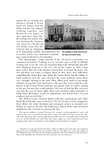
| OCR Text |
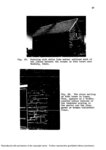
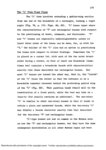
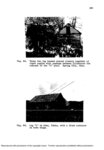
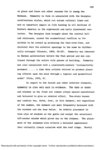
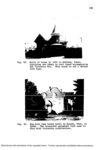
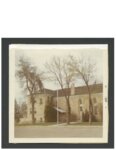
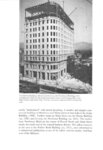
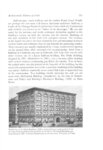
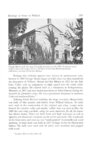
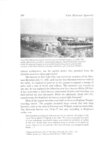
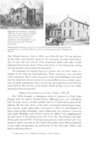
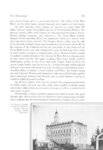
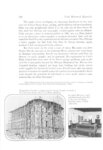
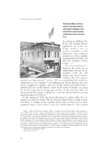
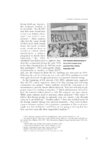
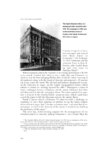
Show Folsom: Pioneer Architect 249 open fretwork. On top of the hipped roof was an octagonal cupola set on a square base and decorated with pilasters, cornices, pinnacles, and circular spaces for the faces of a clock. The size of the cupola was in better proportion to the rest of the structure than those on Angell's earlier buildings had been. The interiors were finished with fine plaster cornices, ceiling medallions, and window frames in Greek Revival style. The building was a handsome and substantial structure, an impressive achievement for the time and place.17 During his tenure as church architect, Folsom also participated in a variety of other activities. Besides his supervision of the theatre, city hall, tabernacle, and temple, he consulted in the design of other church buildings, including the beautiful tabernacle in St. George.18 He participated in the organization of the short-lived Deseret Academy of Art in 1863 with such other notables as E. L. T. Harrison, C. R. Savage, George M. Ottinger, and Daniel Weggeland. He also served on a civic committee which protested the pollution of the city's water supply by the army camp in Red Butte Canyon. In 1864 he formed a partnership for contracting and building with George Romney, an association that Tullidge later described as the "leading contractors and builders in the city." 19 Folsom's personal life during this time was also eventful. His wife died in the summer of 1863, and he remarried in December of the same year. Two years later, he took a second wife. The responsibilities of church architect weighed heavily on Folsom, and he finally requested to be released from this position. Truman O. Angell returned as church architect in April 1867, and William Folsom and Truman Angell, Jr., were sustained as his assistants. Much of Folsom's attention in the next few years was directed toward private construction projects that included some of the more important buildings of the city. Together with George Romney, he built several large commercial buildings, including the Ransohoff Building and the much-admired Amussen Building on Main Street. The latter, a fireproof structure, was one of the first local buildings to have indoor plumb17 The city hall was moved from its original location to Capitol Hill in Salt Lake City between 1961 and 1963. T h e building is commonly referred to as the Council House today. 18 Hazel B. Bradshaw, " O u r Early Meeting House (St. G e o r g e ) , " in Kate B. Carter, comp., Heart Throbs of the West, 12 vols. (Salt Lake City, 1 9 3 9 - 5 1 ) , 3:64. Mrs. Bradshaw states,' "Brother Folsom was Church architect at this time and lent considerable aid in planning and designing the building." In a letter from Hazel B. Bradshaw to Nina F. Moss, Mrs. Bradshaw confirmed that this information was given to her by Miles Romney. Moss, History of William Harrison Folsom, 37. 19 " O u r Industries and Industrial Men," Tullidge's Quarterly Magazine, 3 (October 1883), 35. |