| OCR Text |
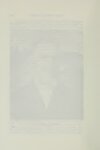
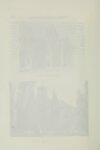
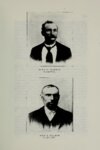
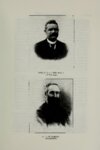
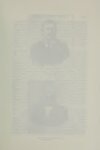
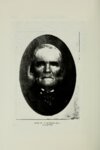
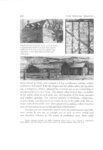
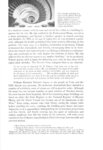
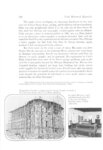
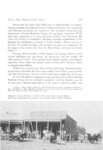
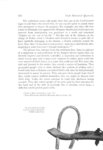
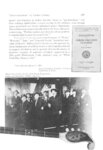
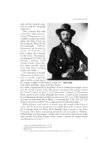
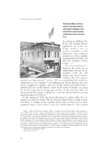
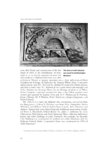
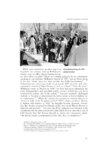
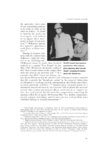
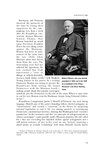
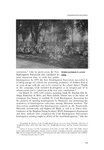
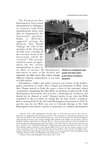
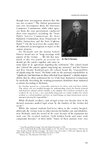
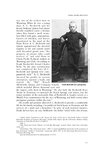
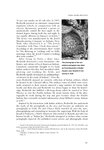
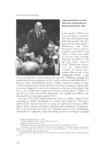
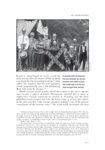
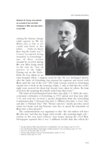
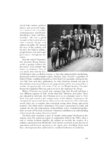
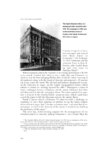
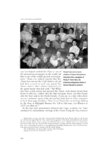
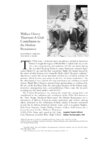
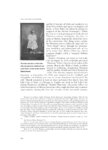
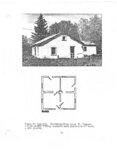
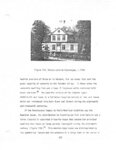
Show FALL 2013 UHQ pp 304-385_UHQ Stories/pp.4-68 9/16/13 1:25 PM Page 328 UTAh STATE hISTOrICAL SOCIETy UTAh hISTOrICAL QUArTErLy way that helped establish the Times as one of Russell was one of seven the preeminent newspapers in the world and children of Samuel Russell and him as one of the world’s greatest newspaper- Henrietta Pratt, a daughter of men. 10 From the earliest reports that the Parley P. Pratt. Here, the Titanic had sent out the CQD distress call and extensive polygamous family of had then ceased to send any signal, Van Samuel Russell is pictured. Anda—unlike other editors—believed that the grand luxury liner had sunk.11 The White Star Line, which owned and operated the Titanic, took almost twenty-four hours to officially confirm that the ship had gone down. Just three hours after the liner sank in the North Atlantic Ocean and at a time when there was no confirmed report of the disaster, Van Anda had the Times announce in bold, front-page headlines, “New Liner Titanic Hits an Iceberg; Sinking by the Bow at Midnight; Women Put Off in Lifeboats; Last Wireless at 12:27 a.m. Blurred.”12 In the days that immediately followed the tragic accident, the Times continued its extraordinary coverage of the Titanic. Along the way, everyone 10 Barnett Fine, A Giant of the Press: Carr Van Anda (Oakland, CA: Acme Books, 1968), 43–48. At least one observer has argued that the Times, under the management of Van Anda, essentially invented modern disaster coverage with its Titanic coverage (of which Russell’s account of Bride’s story was a critical part). Roy Peter Clark, “How the New York Times Invented Disaster Coverage with the Titanic Sinking,” accessed June 2013, www.poynter.org/how-tos/newsgathering-storytelling/writing-tools/169316/how-the-newyork-times-invented-disaster-coverage-with-the-titanic-sinking. 11 The CQD distress call was an earlier version of the SOS signal. 12 Berger, Story of the New York Times, 194–97. 328 |