| OCR Text |
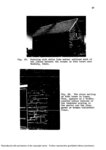
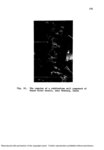
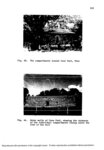
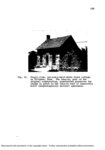
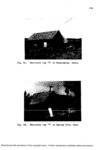
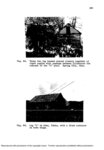
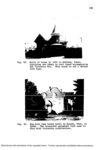
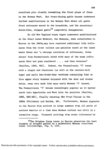
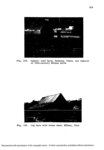
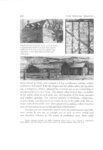
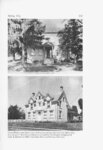
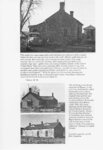
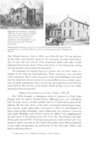
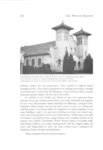
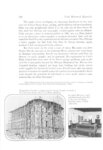
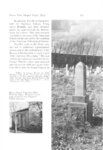
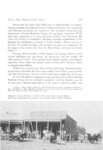
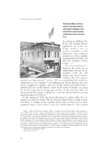
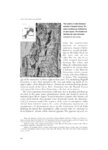
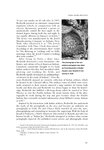
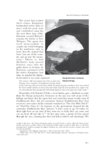
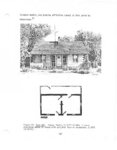
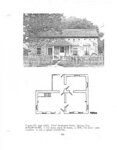
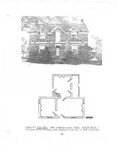
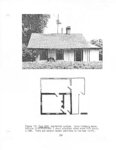
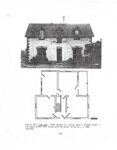
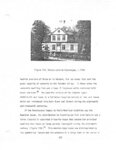
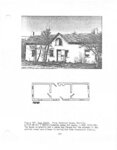
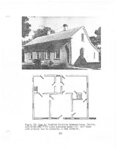
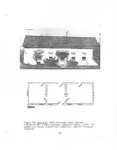
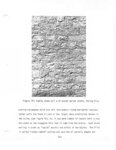
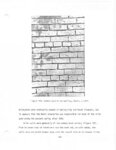
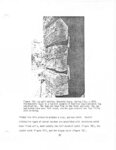
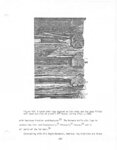
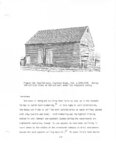
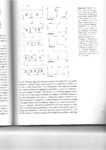
Show f sized stones that are laid up in an indiscriminate fashion. Such stonework is rare in the Sanpete Valley area (figure 141) and is often found on the earliest houses. "coursed rubble.'' The other type of rubble masonry is In this technique one finds some effort being expended to shape the stones so they will "bed" horizontally into courses. Coursed rubble walls are the most frequently encountered type in the ar ea and are usually found with the joints filled with a surfeit of mortar which is then smoothed into an almost plaster-like finish. This overlay of mortar obscures the irregularities of the rubble stone and, in an additional attempt to achieve visual regularity, Sanpete masons often added scored lines or raised mortar joints to approximate the geometrical appearance of coursed ashlar. As mentioned earlier, the most highly valued building material in the valley during the nineteenth century was kiln-fired brick. 13 The first brick houses that surfaced here were constructed in the middle 1860s for what might be called the local elite. The Canute Petersen house in Ephraim (figure 115), finished around 1867, is a case in point. Peters en was president of the South Sanpete Stake of Zion and his large brick house surely was commensurate with his status in the community. The brick was probably burned on or near the property. The first widespread use of brick occurred after 1870 in the towns on the west side of the valley. Here the clay contained amounts of ferric oxide and burned at a moderate temperature to produce the distinctive red · bricks that are found primarily in Wales and Fountain Green (see figures 96 and 106). 14 By the 1880s a large brickyard was in operation at Manti. The bricks produced in Manti were a yellowish brown color due to the presence of lime in the clay found here (figure 104). 15 Smaller 257 . |