| OCR Text |
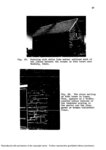
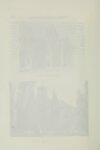
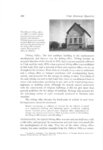
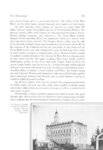
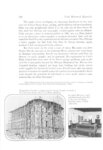
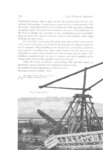
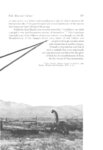
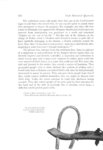
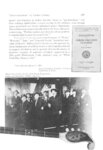
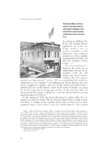
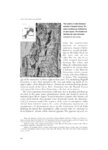
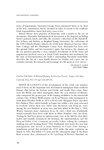
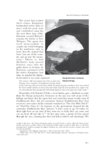
Show 154 Utah Historical Quarterly T h e settlement stories also make clear that just as the Lord seemed eager to aid those who served him, he was equally quick to punish those who attempted to thwart his purposes. For example, one story tells that a m a n in Denmark who opposed the Mormon church and tried to prevent converts from immigrating was paralyzed as a result and remained "helpless for the rest of his life." 15 O n this side of the Atlantic, in the village of Wales, when a M o r m o n used deceptive means to gain title to land rightfully belonging to his church, a church authority cursed the land. Since then "it has had several owners—some have died shortly after acquiring it, some have lost it through bankruptcy." 1 6 T h e picture that emerges from this settlement lore, then, is a picture of a migration to and settlement of the Sanpete-Sevier region that was divinely inspired and divinely controlled, a migration and settlement in which heroic men and women were required to endure great trials but were assured of final victory in a cause that could not fail. For those who told and listened to the stories, they served a variety of functions. They persuaded people who at times doubted the wisdom of settling such a hostile land that settlement was indeed God's will, since he had personally intervened to assure its success. They also gave these people hope that if they would remain faithful themselves they too might be blessed with God's help. Today the stories continue to teach that obedience brings rewards. They also remind people of the price paid by their ancestors for this land and of the debt of gratitude that is therefore owed them, a debt that can be paid in good works. 15 1(1 Larry J. Blain, Spring City, U t a h , 1975. Susan Christensen and LViris Blackham, Moroni, U t a h , 1971. Ox yoke typical of type used in early settlements. USHS collections. |