| OCR Text |
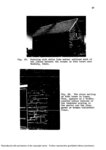
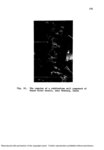
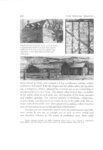
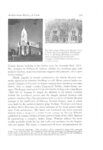
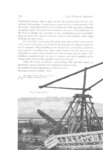
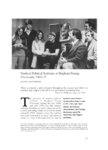
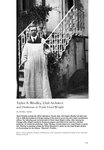
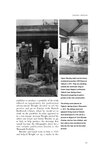
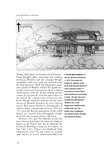
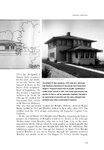
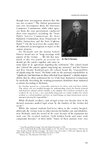
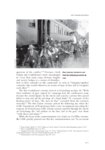
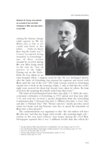
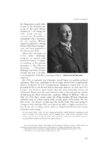
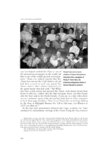
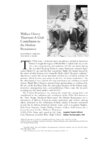
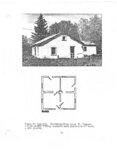
Show A fundamental element in our public education system is the kindergarten, an institution that developed first in Europe and came to the United States in the 1860s. Kindergartens are part of a public school system that now includes elementary schools, junior high/middle schools, and high schools. Utah’s kindergarten movement began in 1880 as part of the education initiative carried out by the Presbyterian Church. In a short time other churches, including the LDS church, established kindergartens. As church-sponsored kindergartens developed, so did the prospect of making kindergartens a part of the territorial public school program. The effort was led by teachers and other professional educators. Success came in 1895 with legislation permitting children age four to six to attend public kindergartens with the cost paid by local school districts. In 1904 the Salt Lake City Board of Education established a public kindergarten program. A half century later, in 1953, state funds became available to local school districts for kindergartens. The story of this struggle and the women who made public kindergartens a reality in Utah is the subject of our second article in this issue. In the pantheon of Utah’s most famous twentieth century architects, Taylor A. Woolley occupies an important position for promoting the Prairie Style of Frank Lloyd Wright in the state and ushering in a dramatic change in the state’s built landscape in the early twentieth century as the Prairie Style and its compatible bungalow-type houses replaced the pioneer and Victorian styles of the nineteenth century. Woolley began working for Frank Lloyd Wright in 1909 as a draftsman and continued his association with the famous architect after Woolley returned to Salt Lake City. The unwarranted shooting death of twenty children and six adults at Sandy Hook Elementary School in Newtown, Connecticut on December 14, 2012, is the most recent in a heartbreaking list of tragedies and accidents that have befallen the United States. Utahns were drawn even closer to the event with the news that one of the victims, six-year-old Emily Parker, a native of Ogden would be returned to Utah for a memorial service and burial. Seventy-four years earlier another December tragedy near Riverton in the South end of the Salt Lake Valley brought national attention to Utah when twenty-three students and their twentynine-year-old bus driver were killed when the school bus in which they were riding was hit by a north bound Denver and Rio Grande Western train at Burgon’s Crossing. Fifteen students survived the horrific accident, although seven suffered severe injuries in what was, to that time, the most deadly bus-train accident in American history. Our fourth article in this issue recounts the event and ensuing reforms that were instituted to better safeguard the public. Our final article for this issue recalls the life of one of Utah’s early twentiethcentury local newspaper men, community promoter, and history enthusiast. Frank Asahel Beckwith arrived in Delta in 1913 and until his death in 1951 at the age of seventy-four published the Millard County Chronicle. He was, in addition to being one of Utah’s most respected and best-known newspapermen, “…an author, inventor, geologist, anthropologist, explorer, and, above all else, the epitome of an eternal scholar.” More than sixty years after his death, Delta, Millard County, and Utah continue to benefit from his legacy. 107 |