| OCR Text |
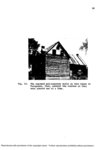
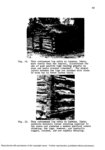
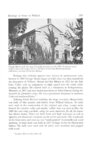
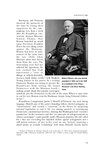
Show Chapter IV Building Good Houses Mormon planning in the Sanpete Valley reflected a type of · environmental determinism common to most nineteenth century utopian groups. Since social life was believed to be directly shaped by the community's physical form, particular communitarian values such as cooperation and unity were advanced through the implementation of a nucleated settlement pattern. Feeling that private space naturally inspired separatism and anti-social behavior, utopian groups often adopted communal forms of domestic architecture as well. 1 For the Mormons, however, social planning stopped at the level of the stewardship--the homestead--and the prevailing residential unit continued to be the single-fami ly dwelling. 2 While there were statements by some of the early Church leaders that revealed an appreciation of the affecting qualities of housing, no specific design recommendations were offered. Remarks by Brigham Young in 1860 are indicative of the official line on housing: Good houses are comfortable and very convenient, and please our feelings, and are tolerably healthful when properly venti1ated. If we cannot raise grain, raise houses, and build the best houses we can think of. If you are going to do a good deed, do as good a one as you can think of. If you wish to build a house, build as good a one as you can imagine.3 The message to the brethren, then, was to build solid, attractive houses. It was a theme that echoed in the halls of meetinghouses throughout the state, but one which remained constant at the level of 85 |