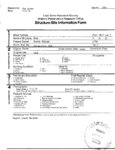
| OCR Text |
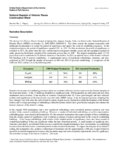
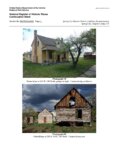
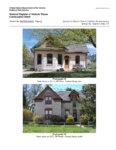
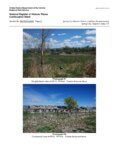
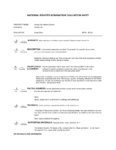
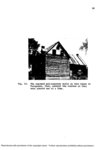
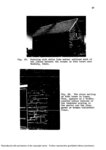
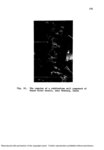
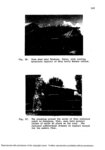
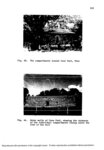
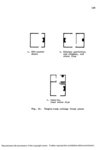
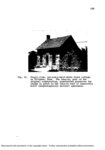
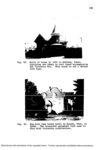
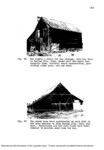
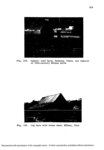
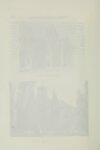
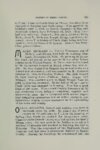
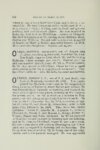
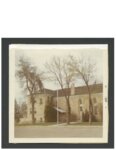
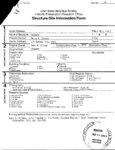
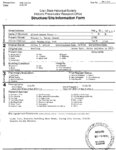
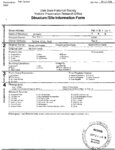
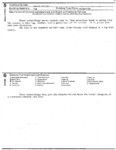
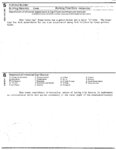
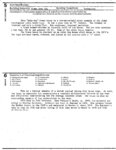
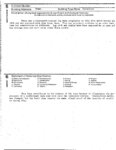
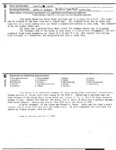
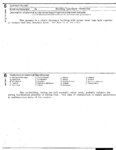
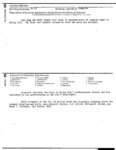
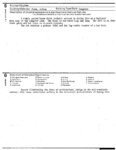
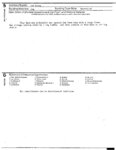
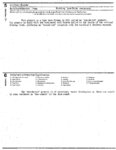
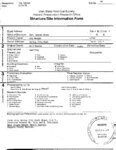
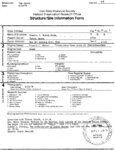
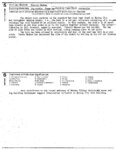
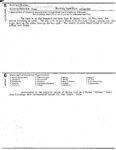
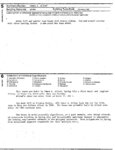
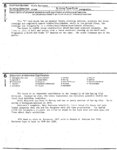
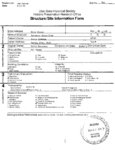
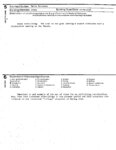
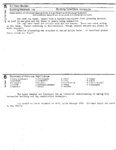
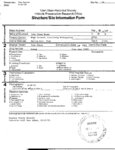
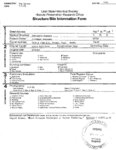
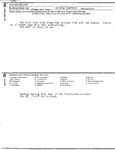
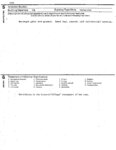
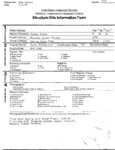
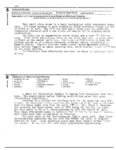
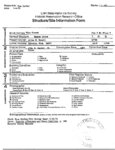
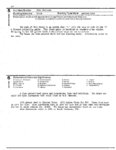
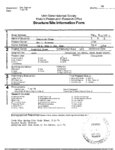
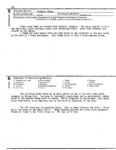
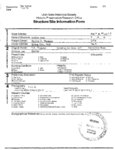
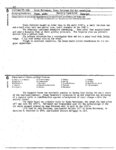
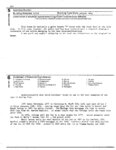
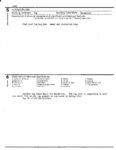
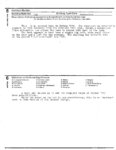
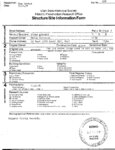
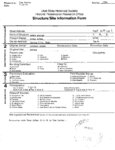
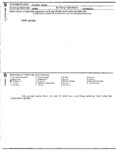
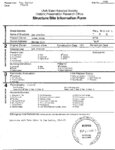
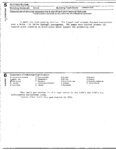
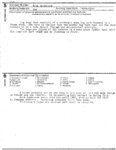
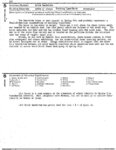
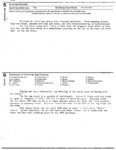
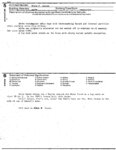
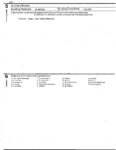
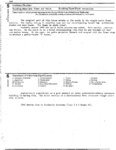
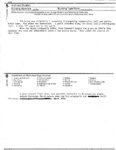
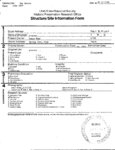
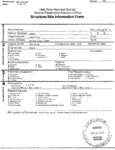
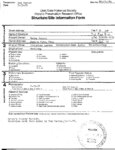
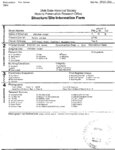
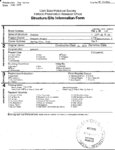
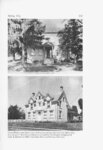
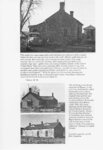
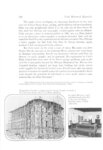
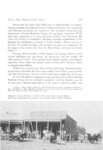
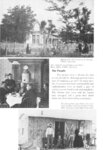
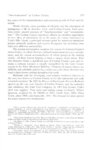
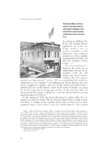
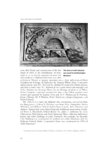
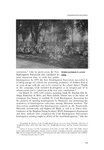
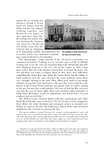
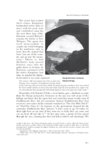
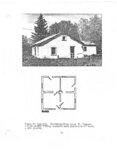
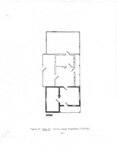
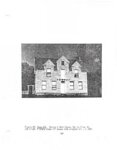
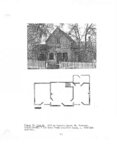
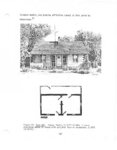
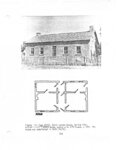
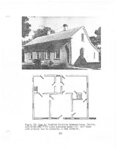
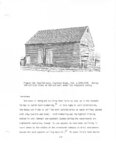
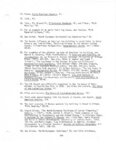
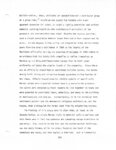
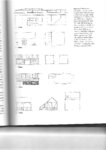
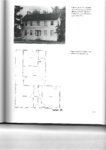
Show Ul Architect/Builder: Building Type/Style: vernacular Building Materials: dolite_ limestone Description of physical appearance & significant architectural features: (Include additions, alterations, ancillary structures, and landscaping if applicable) This stone granary has recently been renovated into a residence by JoAnn Espinoz. The simple rectangular plan seemingly, at least to judge from early photographs, had doors and windows and a simple Greek Revival style which suggest that its use was more than just storing grain. : The granary was probably built in the early 1870's. A stone foundation, measuring about 26 X 60 feet, is located just ,to the west and the dimensions seem to indicate that the building that once stood here was a ReliefSociety barn. The barn was not standing in the twentieth-century. Statement of Historical Significance: D D PS D D Aboriginal Americans Agriculture Architecture The Arts Commerce D D D D D Communication Conservation Education Exploration/Settlement Industry D D D D D Military Mining Minority Groups Political Recreation D D D D Religion Science Socio-Humanitarian Transportation This building is important because it symbolizes the dominant role that the LDS Church played in the settling of Spring City and helps give later observers some indication of the omnipotence of Church related activity. The Relief Society, a woman's organization, was formed by the Mormons while in Illinois to support needy members of the community. Grain was donated by church members to the Relief Society and was stored in this building until distribution. The "Female Relief Society of Springtown" gets the 1870 Mayors deed.: East part of lot 4 sold to Spring City School District in 1878. The Relief Society deeds the land to the Spring City Ecclessiastical Ward in 1890. Mary Ann Hyde is trustee for the Relief Society. |