| OCR Text |
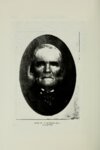
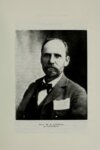
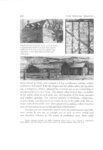
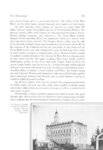
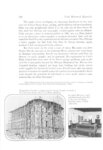
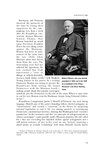
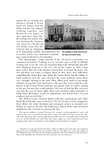
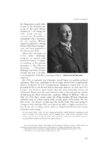
Show Folsom: Pioneer Architect 247 that Folsom may have seen in the East. Moreover, the hipped roof with a balustrade was already a familiar element in Salt Lake City, having appeared on the Beehive House, the Council House, and other structures. That the completed theatre was impressive is confirmed by the reports of non-Mormon visitors of the period. Samuel Bowles who saw it in 1865 wrote, "It ranks, alike in capacity and elegance of structure and finish, along with the opera houses and academies of music in Boston, New York, Philadelphia, Chicago and Cincinnati." " The Deseret News observed in its account of the dedication of the building in 1862 that William H. Folsom "has certainly gained for himself great credit as an architect and practical builder...." 15 Shortly after construction of the Salt Lake Theatre was begun, Truman O. AngelPs health declined to the point that he resigned as church architect, recommending William Folsom as his successor. In the October conference of 1861, Folsom was officially sustained in this position. The following year he was ordained a high priest and sustained as a member of the High Council of the Salt Lake Stake. In this capacity he spoke frequently at church meetings and occasionally accompanied Brigham Young and other church leaders on their tours of outlying settlements. His standing among the leaders of the church was further enhanced in January 1863 when, with the marriage of his daughter Amelia to Brigham Young, he became a father-in-law to the Mormon leader who was fourteen years his senior. The same year, Folsom purchased two-and-onehalf acres of land on the corner of South Temple and First West streets, a neighborhood occupied by many church leaders. This lot was to be his home for much of the remainder of his life. In his new calling as church architect, Folsom had a major role in the construction of several important buildings in the city. The foundations of the Salt Lake Temple had been buried during the preparations to defend the valley from Johnston's army in 1858, and no work had been done on the building since that time. Folsom supervised the reexcavation of this stonework. Fears that the foundations were too weak to provide a permanent base for the huge building precipitated the decision to rebuild part of them before resuming construction. Folsom directed this and other work on the temple throughout the next five years. 14 15 Samuel Bowles, Across the Continent . . . (Springfield, Mass., 1865), 103. "The New Theatre," Deseret News, March 12, 1862, p. 290. |