| OCR Text |
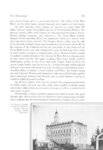
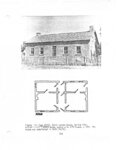
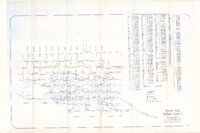
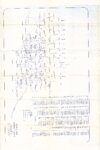
Show HISTORY OF SANPETE COUNTY. devoured everything upon which they alighted. women and 283 Men, became warriors in the battle for bread and fought day and night to destroy the pests. The co-operative plan was adopted by the original colonists and one common tield, irrigated from the waters of Pine creek, through union ditches, was occupied. In '57 a bountiful harvest crowned the efforts of the sturdy husbandmen and the granaries were tilled with an abundance of the staff of life. Reuben W. Allred was the presiding bishop and instituted schools and social amusements for the educating and interesting of old and young, and the time passed more pleasantly and comfortably than the preceding winters. During the three winters following the loss of crops, provisions were scarce and the small food supply had to be carefully hoarded and children divided among the people, but with the good crop of '57 a change came over the struggling colonists and they rejoiced at the dawning of prosperity. In 1860 the city lots were surveyed and the families left the forts to build homes upon their own land, which was divided and proportioned as in other early settlements of Utah. No elegant mansions were constructed but the houses were built of logs and adobes or stone as each family could afford, and individual work began to be placed upon the several properties. Men engaged in farming and stock-raising and have continued at that work until the present comfortable homes, rich fields and fine barns show the effects of well-directed energy and thorough mastery of the details of business. The natural facilities were such as to develop the inert powers of manhood and create a bond of friendship entirely foreign to deceitfulness and self-aggrandizement, hence Ephraim grew and prospered by honesty and industry. A company of Ephraim citizens was called in 1865 to settle Circle Valley and educate the Indians to the American customs of agricultural peace. They built houses, constructed irrigating ditches and cleared land preparatory to conquering the desert and making homes, but the Indians decided their presence was too much indication of approaching civilization. In November, after the colonists were settled for the winter, the In- |