| OCR Text |
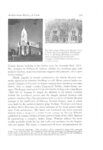
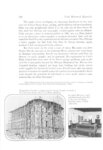
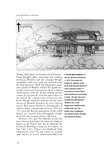
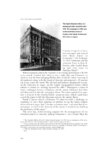
Show UTAH HISTORICAL QUARTERLY Organized topically, the eight chapters examine first settlers and heroes; religion and education; mining, agr iculture, and industry; histor ic downtown and Main Street; planes, trains, and automobiles; films and tourism; Utah Shakespeare Festival; and Utah Summer Games and Festival City USA. Salt Lake City’s Historic Architecture. Images of America Series. By Allan Dale Roberts. (Charleston, SC: Arcadia Publishing, 2012. 127 pp. Paper, $21.99.) The rich architectural history of Salt Lake City provides the subject of this volume by Allen D. Roberts, an award-winning author and architect. The book covers nearly a hundred years of Salt Lake City history, from 1850 to the 1930s. The nine chapters are organized by types of buildings, including civic and public architecture; religious architecture; commercial and office architecture; industrial buildings; hotels and apartments; educational architecture; clubs and societies; theaters, depots, hospitals, and miscellaneous buildings; and single family residences. Ogden’s Trolley District. Images of America Series. By Shalae Larsen and Sue Wilkerson. (Charleston, SC: Arcadia Publishing, 2012. 127 pp. Paper, $21.99.) The trolley served as a bridge between the horse-and-buggy era of the nineteenth century and the automobile age of the twentieth century. It facilitated the construction of homes outside the city center and stimulated business and activity in the heart of the city. Beginning with a mule-drawn trolley in 1883, the system evolved and became a valued part of Ogden for more than fifty years until its discontinuation in 1935. The Trolley District, listed on the National Register of Historic Places, stretches from Twentieth Street south to Thirtieth Street and from Harrison Boulevard west to Adams Avenue. Two residents of that district, Shalae Larsen and Sue Wilkerson, have compiled an impressive photographic history that reflects the colorful past and rich architecture of the Ogden Trolley District. West Valley City. By Mike Winder. (Charleston, SC: Arcadia Publishing, 2012. 127 pp. Paper, $21.99.) Although West Valley City was not incorporated until 1980, its origins go back to 1848, when newly arrived Mormon settlers took up 298 |