| OCR Text |
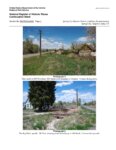
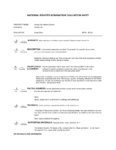
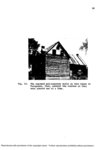
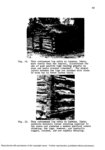
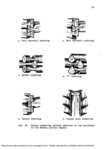
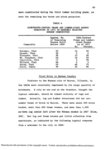
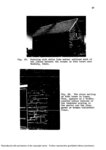
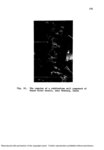
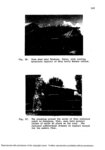
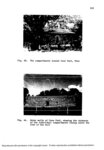
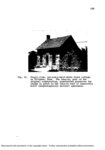
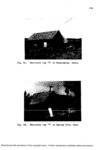
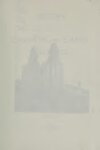
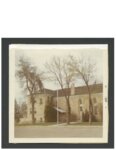
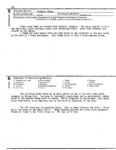
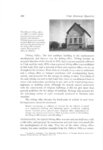
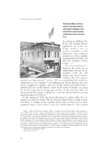
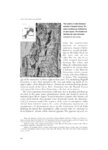
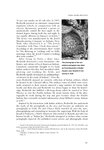
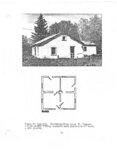
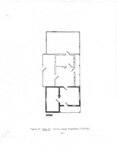
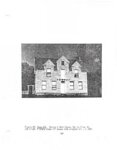
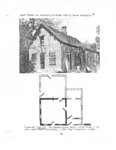
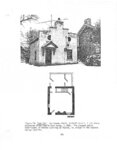
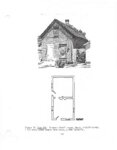
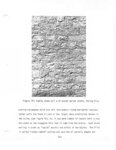
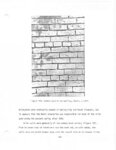
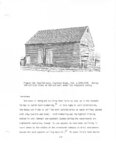
Show ujtt ? [jj H I- o cc < R >j O c!) I Architect/Builder: TOSCPH ee<:K Building Materials: PLANK FRAME Building Type/Style: vernacular Description of physical appearance & significant architectural features: •_.—————————————————————————————————.—_—-.——————;—.————_———_,————i————————————————;——————————— (Include additions, alterations, ancillary structures, and landscaping if applicable) * ...,..-. '•-.-;.••••- "-.,- ' - • • -..... •-• . • • This granary is quite unusual. It is one of the "inside-out" type, that is, the siding is applied to the interior rather than the normal exterior side of the framing studs. The side door is asymmetrically placed. The distinctive feature of this granary rests with the nature of the internal horizontal siding. Most "inside out" granaries have boards nailed horizontally ' along the inside of the frame. This particular example, has walls made of 1 X 3" tongue and groove planking, joined at the corners in an overlapping type of false-corner timbering "butt joint." False timbering means that the horizontal wall boards are stacked in even tiers rather than the alternating tiers associated with true corner-notching. The planks here butt up against each other at the corner. This building is the only example of this construction technique found 'on an "inside-out" granary in Spring City. Statement of Historical Significance: D Aboriginal Americans OAgriculture IF Architecture D The Arts D Commerce D D D D D Communication Conservation Education Exploration/Settlement Industry D D D D D Military Mining Minority Groups Political Recreation n D D D Religion Science Socio-Humanitarian Transportation False corner-timber ing, withe»ven\u. stacked tiers of logs or boards, is: commonly encountered on Sanpete County log buildings, though not usually associated with the "inside-out". granary. False-timbering derives from an English carpentry technique and appeared in New England Garrison Houses by "the middle of the seventeenth-century'.1 From New England, (it) spread through upstate New York and as far west as Michigan, but it never attained any great areal or numerical importance." (Kniffen & Glassie). |