| OCR Text |
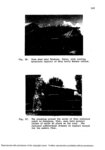
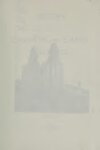
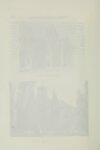
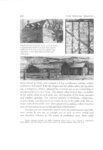
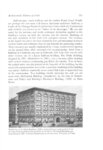
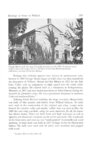
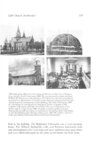
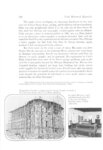
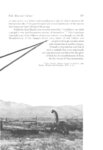
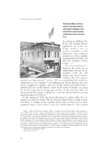
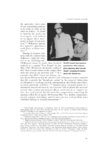
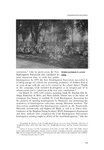
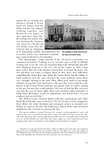
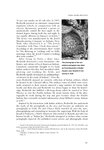
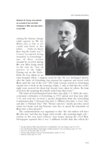
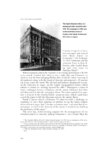
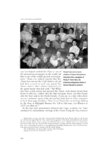
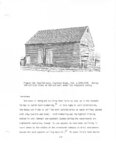
Show Utah Historical Quarterly 252 While ZCMI has been expanded and remodeled many times in the century since Folsom designed this building, its cast-iron front has been preserved. Historic American Buildings Survey drawing and Utah Writers Project photograph, Salt Lake City Public Library. for ZCMI, the church department store. Folsom had seen iron-front buildings in his travels in the East, and Taylor was familiar with the many Italianate iron commercial buildings in San Francisco. The ZCMI building was the first example of the style in Utah. The three-story facade was composed of slender Corinthian columns, flattened arches, and an elaborate cornice topped with a balustrade and a broken pediment. Like the city hall, the central bay of the ZCMI facade was wider than the others, giving prominence to the central entrance. Folsom and Taylor not only designed the building, but they also made the forms and fabricated the iron parts of the structure.25 Begun in 1875, the structure was completed the following year. In 1875 Brigham Young made preparations for the construction of two regional temples, one in Logan and the other in Manti. Because Truman Angell was occupied with church projects in Salt Lake City and St. George, other architects were appointed for these buildings. Truman O. Angell, Jr., was appointed for the Logan building, and Joseph A. Young, Brigham Young's oldest son, was assigned to Manti. However, when Joseph Young suddenly died during a visit to the Manti site in the summer of 1875, William Folsom was appointed to serve in his place. '"Ibid., 55-56. |