| OCR Text |
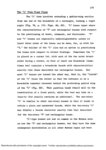
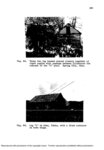
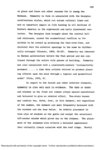
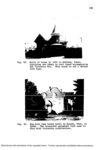
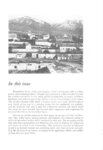
Show north, at a point along Pleasant Creek, Madison Hamilton and a small company erected a sawmill and began cutting timber for building houses at the site later called Mount Pleasant. made at Manti~ Progress also continued to be In November of 1852, Apostle Ezra T. Benson visited Manti and reported that "the citizens have erected a good stone fort in the city, 10 rods square," ~nd "a general spirit of improvement seems to be the order of the day."lO As the Mormon population grew and spread northward in the valley, relations with Wakara 1 s Utes steadily deteriorated. conflict were not uncommon on the American frontier. The sources of For their part, the Mormons expected the Utes to drop their native customs and fully accept the civilized ways of the Saints. On the other side, Wakara's people became increasingly alarmed at the newcomers' constantly growing numbers and their seemingly boundless appetite for lana. 11 Open warfare broke out between the competing cultures in 1853, with Chief Walkara leading raiding parties against the outlying Mormon settlements. Hamilton's people on Pleasant Creek were driven back to the protection of the small fort at Allred 1 s Settlement. This refuge proved only temporary, for the Utes pressed the attack and in December, the Saints were forced to abandon the fort and fall back, along with Behunnin 1 s people from Pine Creek, to the safety of Manti. In January, the cabins at Allred 1 s Settlement were burned and Wakara 1 s band once again controlled the northern reaches of the valley. The Mormon militia could not entice the Utes into pitched battle, and the general raiding and skirmishing continued indecisively for several years. Wakara died in the spring of 1854 and his brother, Arrapene, weary of war, signed a truce with the Mormons. Arrapene generously consecrated the valley to 64 |