| OCR Text |
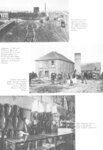
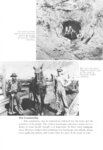
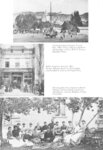
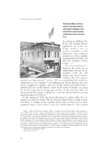
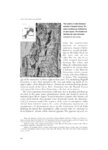
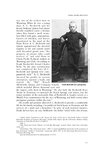
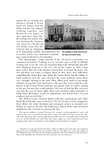
Show FALL 2013 pp 386-404_UHQ BReviews/pp.271-296 9/16/13 1:22 PM Page 392 UTAH HISTORICAL QUARTERLY Lost Canyons of the Green River:The Story before Flaming Gorge Dam. By Roy Webb. (Salt Lake City: University of Utah Press, 2012. xviii + 158 pp. Paper, $21.95.) TWENTY YEARS AGO, I stood on the cliffs next to the Dutch John boat ramp on Flaming Gorge Reservoir and peered into its depths. Locked in silence, the quartzite cliffs plunged almost straight down before my eyes, sinking into the depths of the near crystal clear waters until the view gradually faded into the darkness of the deep a hundred or more feet below. I stood looking on, struggling to see more and to conjure up in my mind that same scene but in a former time, thirty years earlier, before Red Canyon was covered by waters impounded by Flaming Gorge Dam. It was a prospect that only memory could summon, and it resides in the core of anyone who ever knew it. I did see the “lost canyons of the Green,” if only briefly, when our family made several trips into the area just about the time that the keyway for Flaming Gorge Dam was being blasted into the canyon walls. From the time that I caught the first glimpse of this place, framed between pine trees clinging to canyon walls far above the river, its grandeur left me awash with excitement. From Cart Creek Bridge, built by the government to facilitate workers getting across the Green River and the maw of Red Canyon to Dutch John, I looked down on the free-flowing Green. I wondered about floating those waters and taking on the torrent some distance below. I looked upstream and down and questioned where this all began and where it ended. As I ate lunch in the shade of cottonwoods gracing the flat lands of Sheep Creek, my boyish mind turned to thoughts of ancient Indians roaming there; of mountain men, ranchers, and cowboys skirting the hills; and of outlaws hiding from the law. It truly was a magical place. Roy Webb has written a book that is, in its own right, magical, a book that evokes in the interested reader a sort of visceral sense of the past and the look of the land and the people that once defined the lost canyons of the Green River, now buried under the waters of Flaming Gorge Reservoir. The history that blankets that former time and the legacy of its people will forever be captured and held within this book and its remarkable photographs. Webb’s chapters take the reader through time and space, from the prehistoric era to the present. He created this account of the people and events that left their mark on a nearly forgotten land not just out of legend, but from the words of those who explored, lived, and died there. Lost Canyons of the Green is well documented. Additionally, Webb’s writing style is easy to read. Whether one is reading as someone who had the opportunity to experience the lost canyons in their natural state, or as someone learning about them for the first time, Roy Webb offers a realistic, factual, and yet compassionate history of a people and land that could not be given any less. 392 |