| OCR Text |
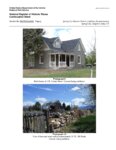
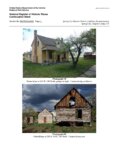
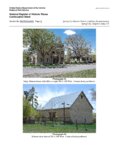
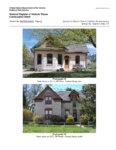
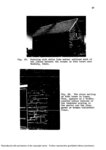
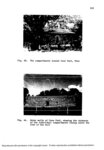
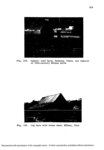
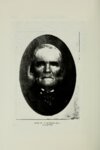
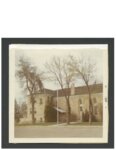
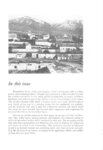
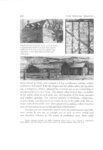
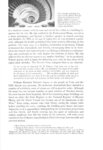
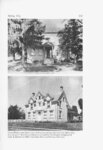
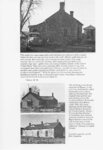
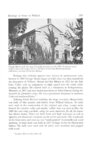
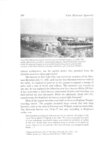
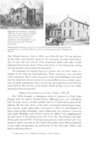
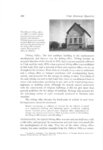
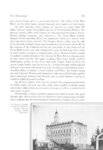
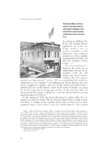
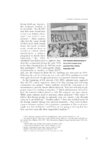
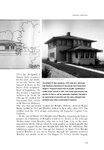
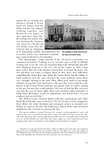
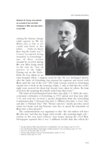
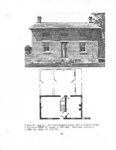
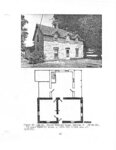
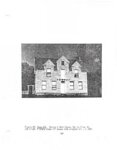
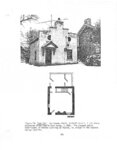
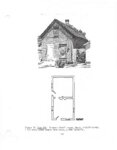
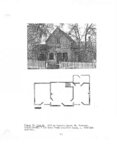
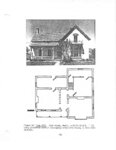
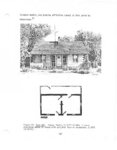
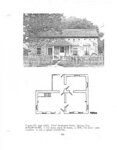
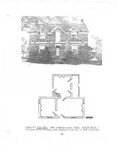
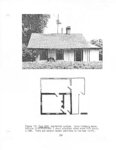
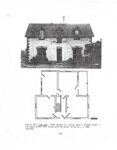
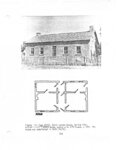
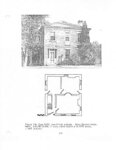
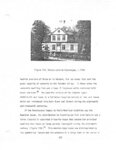
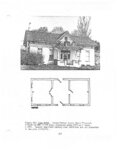
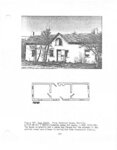
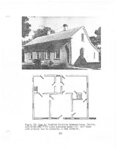
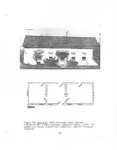
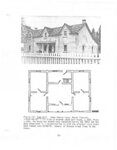
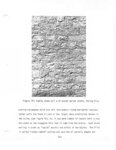
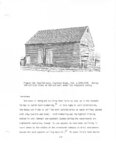
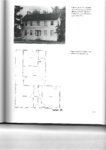
Show 290 Utah Historical Quarterly boat for freighting goods on the Great Salt Lake, and with his wife Rozilla "kept hotel" in this home.8 Within just ten years of the first crude settlement, the Willard pioneers were taking advantage of another gift from the canyon—stone of all colors and descriptions, ready to be joined with a mortar of lime, sand, and straw, and placed in the foundations and walls of their homes. The durability of the stone seems symbolic of the settlers' intention to stay. The early homes were built of rubble stone found in random fashion near the construction site or taken from the abandoned fort. The walls were between eighteen and twenty inches thick and the windows flared to the inside to allow more interior light. Blueprints for these stone homes existed only in the minds of the pioneers, especially a sprightly stonemason from Wales named Shadrach Jones who was the master designer for most of them. Born a coal miner's son in Llanely, Wales, Shadrach was converted to the Mormon church at the age of seventeen and came to the United States in 1854 with a brother. They soon learned that their father had been killed in a mine accident, and they sent for their mother and brother. So far as has been determined, Shadrach was the first to build homes of stone in Willard and none were built after his death in 1883, with an interesting exception to be mentioned later. Although Shadrach and his wife Mary were childless, they raised several foster children and were regular chaperones of youth dances held on the second floor of their home. As if to keep an eye on the source of his livelihood, Shadrach placed the front entrance to his own two-story home facing the mouth of Willard Canyon. He used little adornment, and the right return of the eaves and careful pointing of the mortar were all that was needed to give this Greek Revival home handsome dignity. Conscious of the pressing tasks and priorities of the frontier, the stonemasons sometimes settled for plain mortar on the less conspicuous walls of their homes as on the south side of the Jones home. Economy was a way of life, and where a porch covered the stones, no laborious pointing was done.9 Sometimes the architectural mood was Gothic as with the home Shadrach helped to build for one of the popular Call twins, Omer. Its steep roof and the dormers wdth their pointed finials seem to be reaching 8 Nicholas, Willard Centennial, 8, 12. For information on Jones, see Andrew Jenson, Latter-day Saint Biographical Encyclopedia, 4 vols. (Salt Lake City, 1901-36), 3 : 6 6 0 ; Forsgren, History of Box Elder, 273. Pointing refers to the laborious hand tooling of mortar joints to enhance the appearance of the finished building. 9 |