| OCR Text |
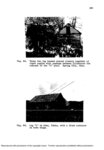
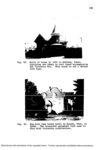
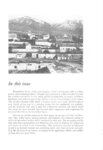
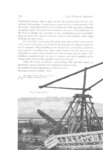
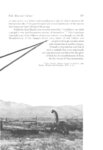
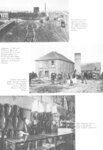
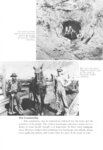
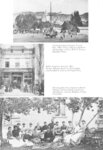
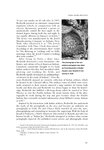
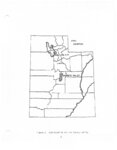
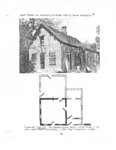
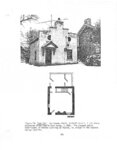
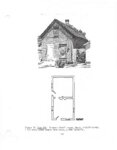
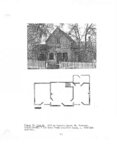
Show 108 Utah Historical Quarterly slope of the Wasatch Plateau, Sanpete-Sevier shows clear evidence of the "garden"—a blossom in man's effort to make the desert bloom. In it are mountain meadow7s reclaimed from wilderness, ordered villages, lazy farm lanes, gaunt and now unused hay derricks, and a population of yeomen. Across the mountain to the east the image of Carbon conforms much more naturally with the "machine." T h e railroad town, mining camp, and cosmopolitan population of the popular image suggest a harnessing of h u m a n and natural resources that goes beyond pastoral order to the productive discipline of the machine age. In the articles that follow, these four regions are examined in closer detail. Touched with humor and insight, Melvin Smith's lead essay surveys the formative years in Dixie and concludes that natural and national influences played important roles. T h e premises upon which Mormon colonization rested, he suggests, were flawed; but in meeting reality Dixie's early inhabitants achieved an enduring success. In a stimulating and readable change of pace, two articles apply the yardsticks of folklore to the myth and image that give the Sanpete-Sevier region a strong Scandinavian identity. Richard Poulsen is concerned with material culture, seeing h u m a n structures as symbols loaded with meaning. T h e very paucity of material culture with northern European origins suggests that Scandinavian immigrants paid dearly in terms of abandoned heritage and group identity. In an essay that deals with the spoken word of Scandinavian folklore, William A. Wilson also writes of costs. H e addresses first the cost of settlement, then the cost of faith, and finally suggests that the humor of polygamy and Scandinavian stories is a regional attempt to reconcile the costs of peculiarity. T o her pictorial essay Carolyn Rhodes-Jones brings a sensitive touch for yet another kind of symbol. Working with photographs used in the project's exhibits, she portrays natural and cultural characteristics that have drawn the regional lines of rural Utah. Philip Notarianni sees Carbon County as a port-of-entry through which new peoples filed. Here again, peculiarity had its costs. Ethnic groups simultaneously clung to old ways and worked to establish the new institutions and attitudes of labor. Thus set apart, as Notarianni notes, people in the Carbon region were subjected to pressures of Americanization that contributed to an interplay of accommodation and resistance that has molded and refined the region's character. T h e final essay, my own, deals with the farflung, three-state character of the Bear River region. Through the valleys of the Bear River moved |