| OCR Text |
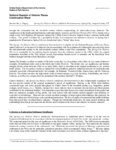
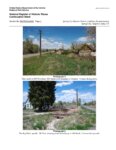
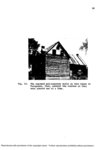
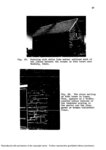
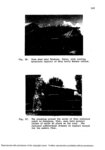
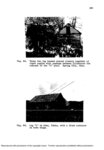
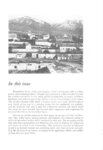
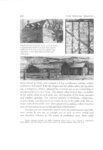
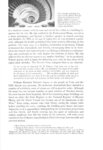
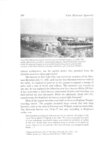
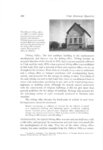
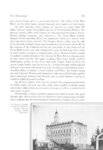
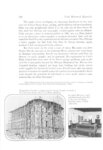
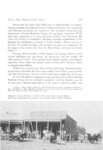
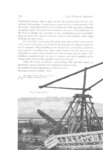
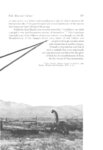
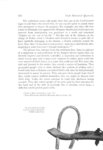
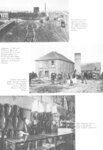
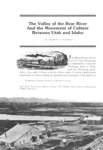
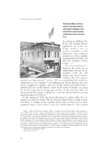
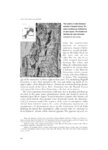
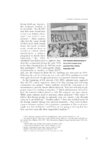
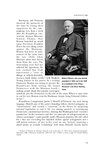
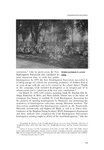
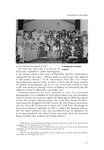
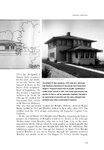
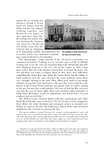
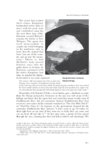
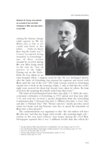
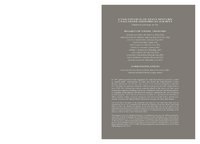
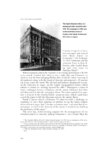
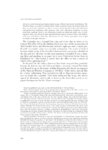
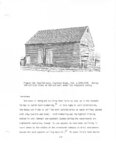
Show FALL 2013 UHQ pp 304-385_UHQ Stories/pp.4-68 9/16/13 1:25 PM Page 380 UTAh STATE hISTOrICAL SOCIETy UTAh hISTOrICAL QUArTErLy But for a summer encampment, the best This 1909 view is one of the place was on the North Fork of Montezuma earliest available images of the Creek, “near the place where the road from Thompson Springs station. Moab to Bluff City crosses it,” on the out- The railway was crucial to the skirts of today’s Monticello. The reason: development of southeastern “Water and grass are plentiful and of good Utah; the shady trees and quality, the best of wood is in abundance comfortable housing in this nearby, either for fuel or building huts; it is as near the Indian strongholds as wagons can photograph hide the fact that easily go; trails start from there to all points Thompson Springs was a desert not reached by road; it is at the junction of outpost at the foot of the Book roads from the north, east, and south so that Cliffs. information can be obtained concerning all parts of the country from Indians and whites passing through.” Morton felt that a company of soldiers stationed there would provide a sufficient force, and at least some food could be obtained locally for men and horses. The area also offered good places to locate a heliograph station—that is, a station where flashes of sunlight reflecting off a mirror could transmit Morse code. Morton’s primary logistical concerns centered on access to and supplies for the proposed camp.25 The route from Thompson Station to Moab in the 1880s was less than favorable. Quickly falling rain, which the ground could not absorb, created flash floods and turned Courthouse Wash from bone-dry one minute to nine feet deep with water the next. (The wash continued to stymie travelers until 1915, when an eighty-five-ton steel superstructure, supported by eighteen-foot pilings, provided a safer means to negotiate the streambed.)26 Next, there was the crossing of the Colorado River. Morton thought the heavy freight wagons too big for the available craft, posing problems with safety and efficiency; even if there were a bigger ferry, large wagons were not maneuverable enough for the terrain beyond. Smaller 25 Ibid. “The Crossing at Courthouse Wash—A Year Ago and Now,” Grand Valley Times (Moab, UT), October 15, 1915. 26 380 |