| OCR Text |
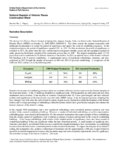
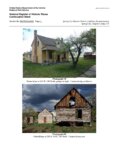
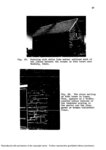
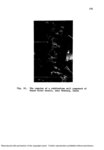
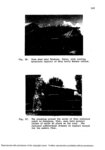
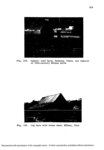
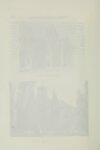
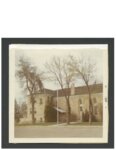
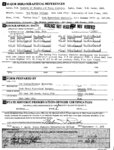
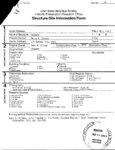
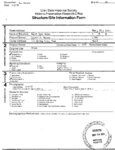
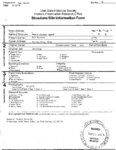
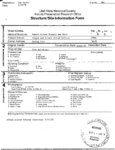
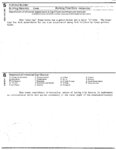
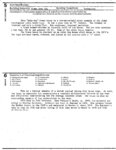
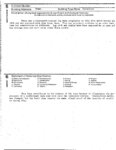
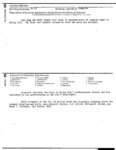
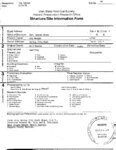
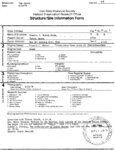
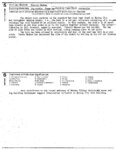
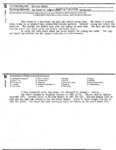
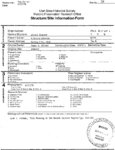
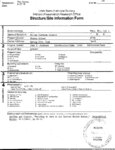
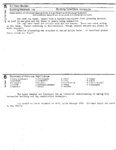
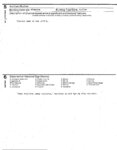
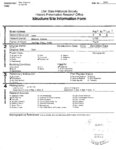
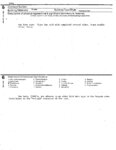
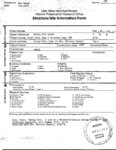
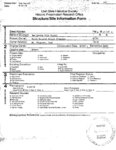
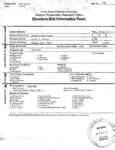
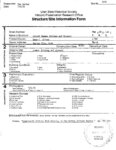
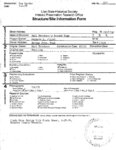
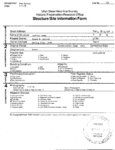
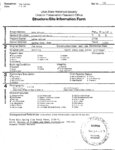
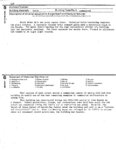
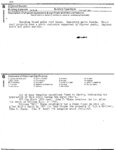
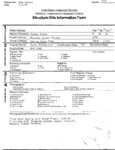
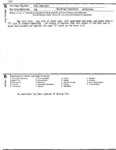
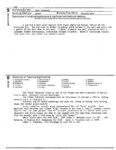
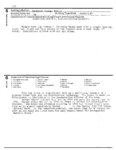
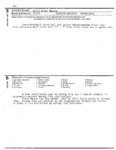
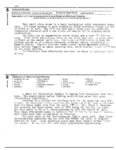
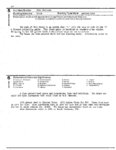
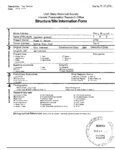
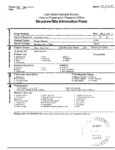
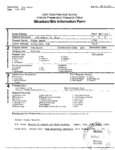
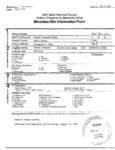
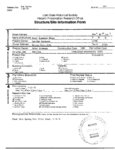
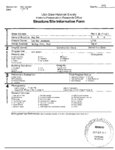
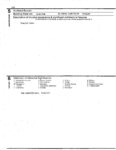
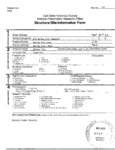
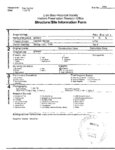
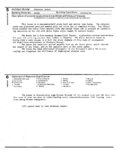
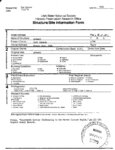
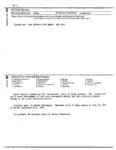
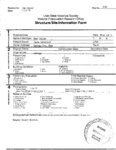
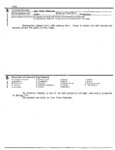
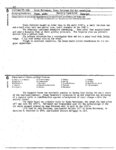
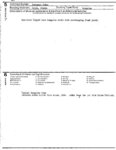
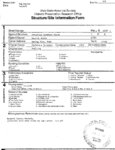
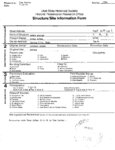
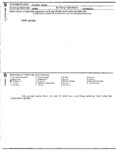
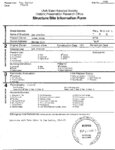
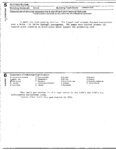
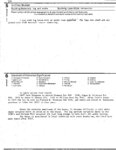
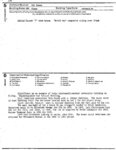
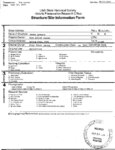
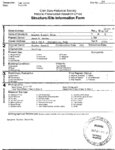
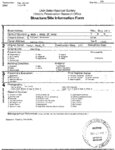
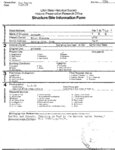
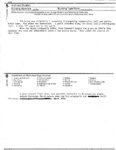
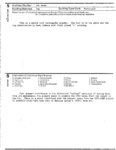
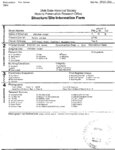
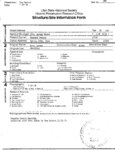
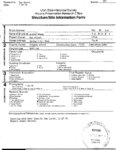
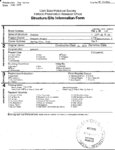
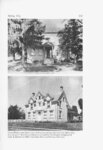
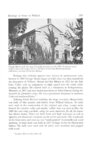
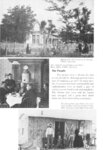
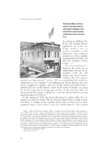
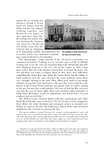
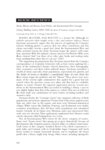
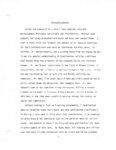
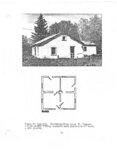
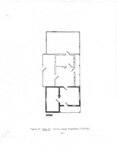
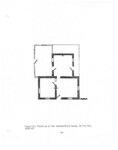
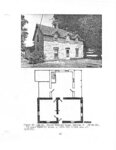
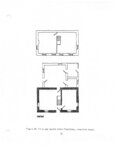
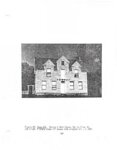
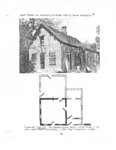
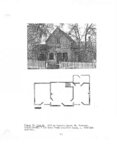
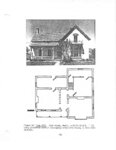
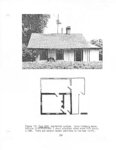
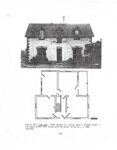
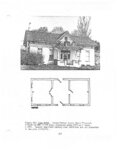
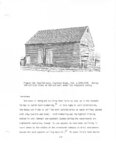
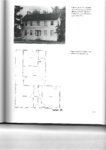
Show 195 5 „ ? y Architect/Builder: ^.^ Building Materials: '________Building Type/Style: vernacular__________ Description of physical appearance & significant architectural features: (Include additions, alterations, ancillary structures, and landscaping if applicable) H x o < The original identity of the frame house is now obscured. The house was initially a home of sawed logs--probably a three-opening rectangle cabin type. On April 6,1908, Hemming and his wife, Ann Marie Mikkelsen, were home alcncwhen the roof of the house caught fire from the chimney and the house burned almost to the ground. Roy and Joseph Franklin, two of Hemming's sons, built another room (the front ward projecting gable addition facing the street now) or two onto the part of the structure which had not burned. They raised the ceilings and finished one bedroom upstairs and in June the family moved back into their home. According to Henry Schofield, a longtime Spring City resident, the building which was made into the new house after the fire was the old milk house. Statement of Historical Significance: > O <J5 I Q Aboriginal Americans a Agriculture Or Architecture D The Arts D Commerce Q D D D D Communication Conservation Education Exploration/Settlement Industry Q D a D D Military Mining Minority Groups Political Recreation a Q D D Religion Science Socio-Humanit Transportation This house is architecturally significant as a composite of nineteenth and twentieth century architectureal fashions. Henming Hansen was born in Denmark in 1848 to Hans Jorgen and Anne Hansen, The family joined the LDS Church in 1859 and emigrated to Spring City in 1860. Henming was promarily a farmer and installed the first hayfork in town on this barn. Henming was also the first in Spring City to sell milk to the Mt. Pleasant creamery. 1870 patnet deed to Henming Hansen. |