| OCR Text |
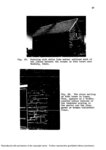
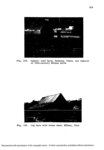
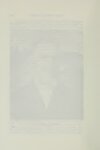
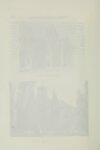
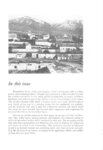
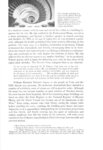
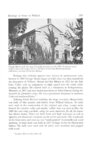
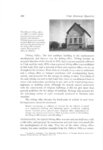
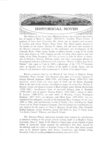
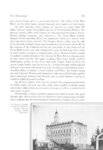
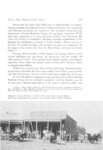
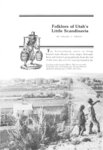
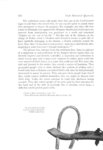
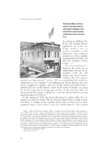
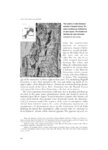
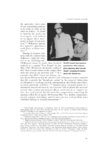
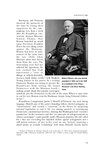
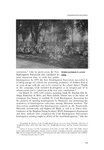
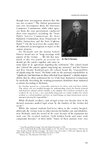
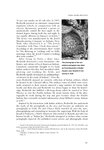
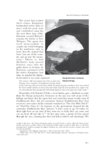
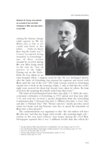
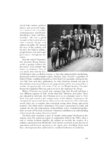
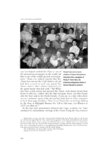
Show UTAH STATE HISTORICAL SOCIETY Murder and Mapping in the “Land of Death,” Part I: The Walcott-McNally Incident By ROBERT S. MCPHERSON During the second half of the nineteenth century, the Four Corners region, especially southeastern Utah, had a reputation as a haven for troublemakers. Whether for Navajo, Ute, and Paiute Indians, or Anglo cowboys, miners, settlers, and transients, the area served as an escape hatch for those on the lam.This well-deserved but ill-begotten fame received a strong boost in the 1880s as groups of settlers and ranchers made their way into the area from different directions and for a variety of purposes. Competition for resources and differing ways of life created the kinds of conflicts that Hollywood later recreated and filmed in the same landscape. But for now, life was real and raw. This article examines how the physical and social landscape of the Four Corners area—with its reputation as a “land of death”—played a role in the demise of two miners. This isolated incident, by itself, is not terribly important and is largely lost in the pages of history. It does, however, provide an interesting case study that typifies the problems of law enforcement in an isolated area, known only to those who lived there. Eventually, enough incidents occurred that the military considered placing a permanent cantonment near present-day Monticello—the topic of a second article, to be published in the fall 2013 issue of Utah Historical Quarterly. While this plan did not reach fruition, there is no missing the feelings of necessity that prompted the investigation and led to the charting of this unknown area. I n 1884 Dennis M. Riordan sat in the Navajo Agency in Fort Defiance, Arizona, feeling anything but defiant. He had assumed control of the expanding Navajo Nation in January 1883, leaving his home in California for the red rock desert of Arizona and New Mexico. The Indian agent now had responsibility for a growing population that between 1868 and 1892 officially doubled to 18,000 souls, but in reality was much A 1932 view of Navajo Mountain. Robert S. McPherson is professor of history at Utah State University, Blanding Campus; he currently serves on the Utah Board of State History. 249 |