| OCR Text |
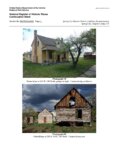
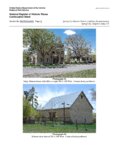
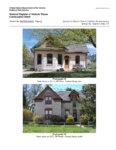
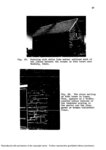
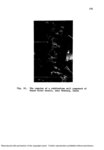
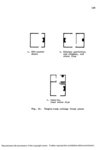
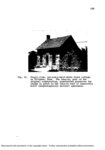
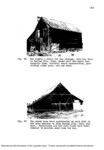
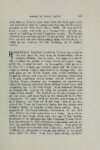
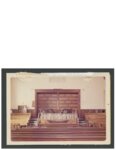
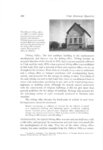
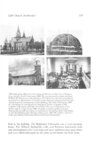
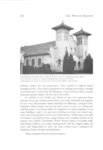
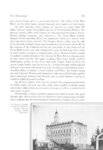
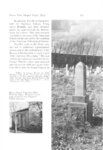
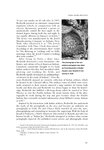
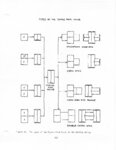
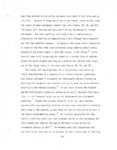
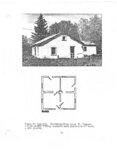
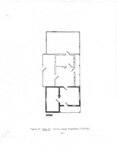
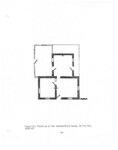
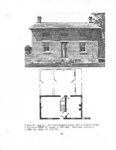
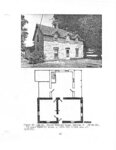
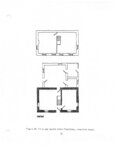
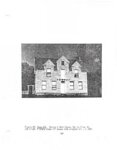
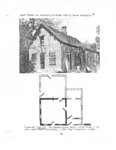
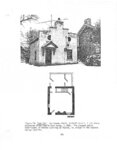
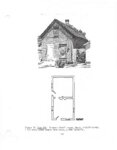
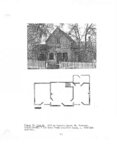
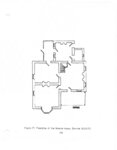
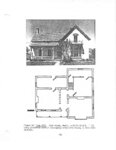
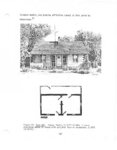
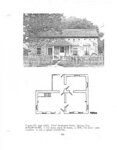
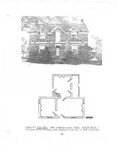
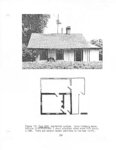
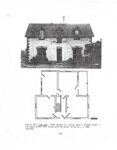
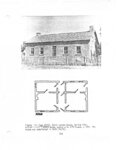
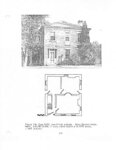
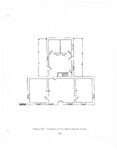
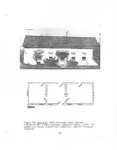
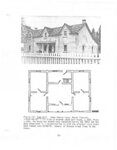
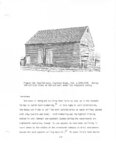
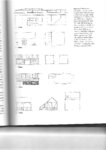
Show Folk Material Culture 133 This single instance of symbolic destruction has larger meaning for the folk material culture of the Sanpete-Sevier region than we might expect. Many have wondered why this region, settled and populated by Scandinavians fresh from their motherlands, is so leanly endowed with Scandinavian artifacts. Such musings are based in fact; for, beyond the cemeteries of the two counties, which are richly supplied with markers bearing the names of deceased Scandinavians, Scandinavian material influence is not abundant. 8 T h e architecture of the region, for example, is largely ScottishEnglish, except for log construction, which probably h a d its genesis in northern Europe. T h e reasons, I think, for the conspicuous lack of Scandinavian folk material culture in the Sanpete-Sevier region can be traced to a loss of symbols, a loss conditioned by an earlier loss of language. According to Hayakawa, "of all forms of symbolism, language is the most highly developed, most subtle, and most complicated." 9 Indeed, without language the process of abstraction would be virtually impossible; and without abstraction there is no symbolism, since symbols always embody more than the things they represent. It is a well-documented fact that in the early days of the Mormon settlement in U t a h the Church of Jesus Christ of Latter-day Saints actively campaigned against the retention of the mother tongues and folk customs of Scandinavian immigrants. A letter from the F'irst Presidency of the church dated as late as April 4, 1903, stated: T o the Swedish Saints: Instructions . . . in R e g a r d to the H o l d i n g of Meetings, Amusements, Social Gatherings, etc. . . . T h e counsel of the C h u r c h to all Saints of foreign birth w h o come here is t h a t they should learn to speak English as soon as possible, a d o p t the m a n n e r s a n d customs of the American people, fit themselves to become good a n d loyal citizens of this country, a n d by their good works show t h a t they are true a n d faithful L a t t e r - d a y Saints. 1 0 the symbols were effaced by local brethren at the order of Ezra Taft Benson. This admission affirms admirably, I think, my notion that we are unable to live with certain historical symbols, or with those symbols whose contexts have become socially unacceptable. s Thomas R. Carter, doctoral candidate in folklore at Indiana University, has been studying the folk architecture of Sanpete County for over a year under the auspices of the U t a h State Historical Society. Carter has found that although most of the county house fagades are of EnglishScottish traditional form (with some exceptions), a number of the floor plans may have Scandinavian antecedents. If this is true, it seems to me we are dealing again with the repression of symbols. If Scandinavian builders had to cover their tracks, so to speak, with the accepted, outward forms of the dominant culture, then they were perpetrating their building traditions behind a negative symbol. Symbolically, this has much in common with the schoolboy who cuts his hair to please his parents, or the principal—without changing his belief in the goodness of long h a i r : what the cut itself represents is not cleanliness but repression in the mind of the boy. 0 Hayakawa, Language, p . 24. 10 Deseret Evening News, April 4, 1903. |