| OCR Text |
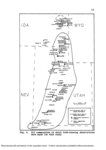
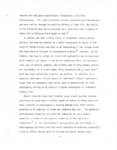
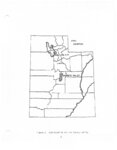
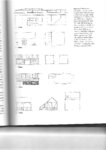
Show attention but its central idea, that Mormon towns appeared similar on the outside while remaining uniform on the inside, became a recurring theme in Mormon architectural studies. Following D.W. Meinig 1 s now-classic essay identifying and defining the Mormon culture region in the Far West (Figure 2), 13 studies utilizing material culture generally and architecture specifically as a means for testing the boundaries and cohesiveness of this region greatly increased. A culture region, it was understood, acquired its identity both as it differed from neighboring regions and as it possessed a degree of internal homogeneity. 14 Confident that the village settlement system itself effectively set Mormons apart from their western neighbors, researchers turned their attention inward, toward demonstrating cultural uniformity not only within the Mormon town, but within the far-ranging western Mormon Empire as well. The first of these new regional studies was provided by the geographer Richard Francaviglia. In a 1970 dissertation entitled 11 The Mormon Landscape, 11 Francaviglia identified a range of visual features including houses that displayed a degree of uniformity both in their spatial distribution and formal character. 15 The presence of specific material culture traits such as the grid-iron town plat, barns, granaries, orchards, and gardens in town, and solid maionry houses in all Mormon communities could be explained by the fact that they were contained in the Mormon prophet Joseph Smith 1 s original plan for the City of Zion. 16 The diffusion of such traits therefore was directly a factor of the ability of later church leaders to implement the spirit of Zion's city plan in the Great Basin West. Uniformity in house form itself, however, was never 6 |