| OCR Text |
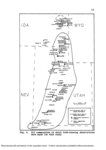
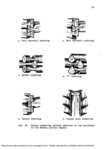
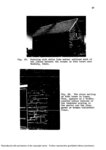
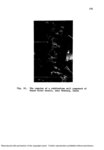
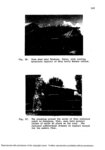
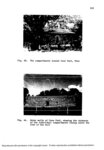
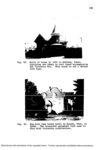
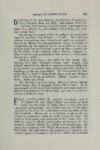
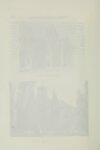
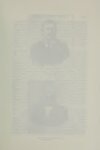
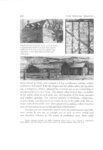
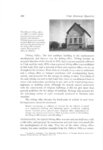
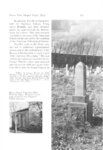
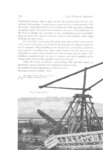
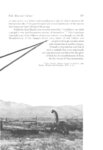
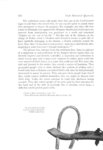
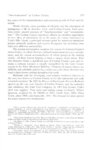
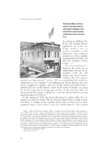
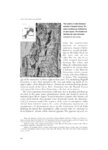
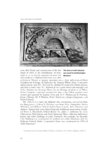
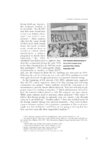
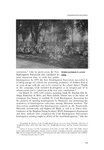
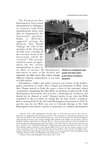
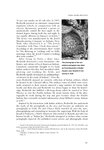
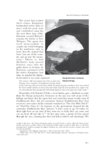
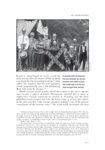
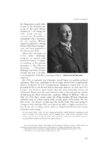
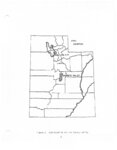
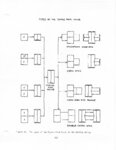
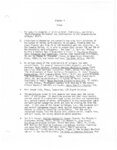
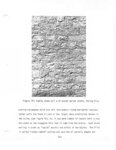
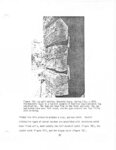
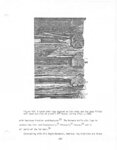
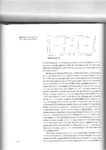
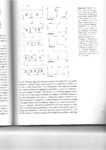
Show 134 Utah Historical Quarterly Earlier, the Deseret News, speaking of " T h e Scandinavian Element," had complimented these Utah immigrants on "the facility with which they—the younger portion especially—acquire the language and customs of the country." 11 T h e message seems clear that U t a h Scandinavians were to abandon mother tongue and liuropean folkways. In my opinion, this severe acculturation of the Scandinavians led to a highly structured loss of symbols that I call the vernacular regression. It may be diagramed as follows: [church, social pressures] M o t h e r County (cultural identity) Utah Acculturation (loss of (loss of symbols) language) Loss of culture (loss of identity) 12 By acculturation I mean simply a process of intercultural borrowing between diverse peoples, resulting in new and blended patterns. With these new7 and blended patterns, of course, arise symbols that are adopted from the blending culture. With the U t a h Scandinavians the process was not organic but forced and severe, resulting in an abrupt abandonment of culture rather than a slow loss. If one proceeds from north to south, say from Fairview to Richfield, one experiences a noticeable loss of symbols in historical artifacts. This is especially evident in the material culture of burial. T h e cemetery just west of Fairview is rich in symbols; numerous footstones accompany a large share of the markers (fig. 2 ) , and the lamb as a burial motif is present on many of the stones. T h e picture of the grave of Robert Briggs shows not only the accompanying footstone but a burial mound to the west (fig. 3 ) . Many primitive cultures heaped mounds of earth or stones over the final resting places of their departed dead, and the practice is still evident in parts of U t a h today. Footstones, which bear only the initials of the deceased, are almost always placed to the east of the headstone. This reinforces the symbolic 11 William Mulder, "Scandinavian Saga," The Peoples of Utah, ed. Helen Z Papanikolas (Salt Lake City: U t a h State Historical Society, 1976), pp. 180-81. 12 W h a t the diagram suggests is that despite the fact that most of the Scandinavian immigrants were Mormons, recently converted by American missionaries, when they arrived in U t a h they were still part and parcel of the mother country, and thus enjoyed a cultural identity. But immediately after arrival (and I might add this has been true in other Scandinavian settlements, such as the Icelandic group in Spanish Fork, U t a h ) , a rapid loss of the mother tongue began, which is to lie partially expected when a group of people is transplanted to another culture with a different language. However, this loss of language was hurried and made critical by pressure from the Mormon church and subsequent social pressures from the dominant group. With the loss of the mother tongue and the assimilation of English, the Scandinavians began to acculturate, which produced a loss of symbols, both linguistic and material. With the loss of symbols came a loss of Old World culture with a subsequent loss of identity as a discrete folk group. Thus, in a vernacular sense, the group has regressed. |