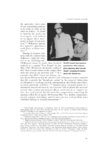
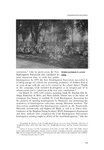
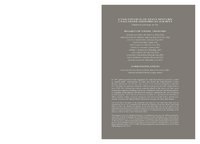
| OCR Text |
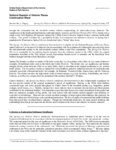
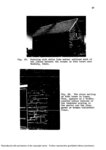
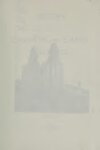
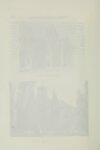
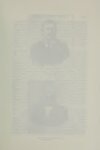
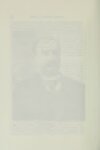
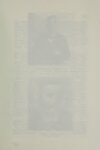
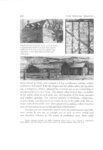
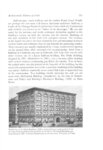
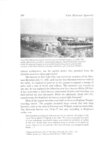
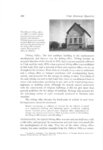
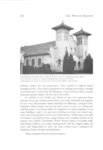
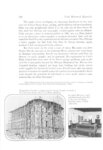
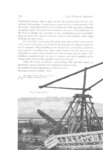
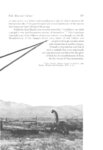
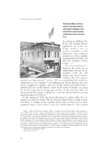
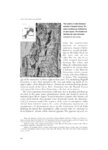
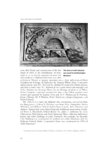
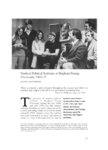
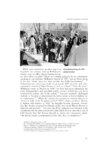
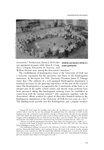
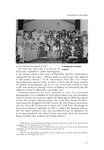
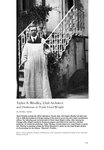
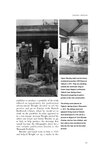
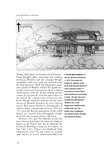
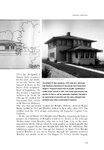
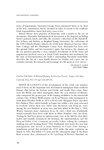
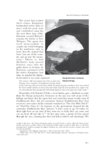
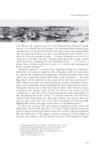
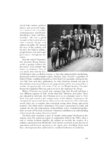
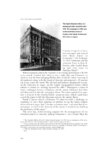
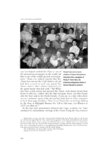
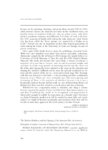
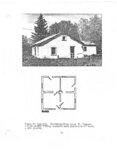
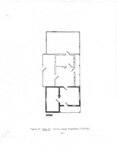
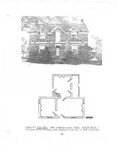
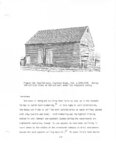
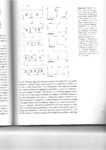
Show UTAH HISTORICAL QUARTERLY UNIVERSITY OF UTAH, COLLEGE OF ARCHITECTURE AND PLANNING DIGITAL COLLECTION Villino Belvedere in Fiesole, near Florence. Using Wright’s office renderings and working drawings, Woolley and the younger Wright completed, with crow quill pen and India ink, the drawings from which the lithographic plates were produced. Woolley realized the significance of this event and documented their working environment with his Kodak folding pocket camera. A year later he used the same camera to document the construction of Taliesin, the home Wright built for himself and the then divorced Mamah Borthwick, near Spr ing Green, Wisconsin. Woolley’s photographs of Taliesin under construction between 1910 and 1911 were the first documentation of this world famous site. Several of his photographs include his friend and eventual partner Cliff Evans. Between 1911 and 1914 Woolley divided his time between Salt Lake City, where he designed homes in the Prairie Style for the Kimball and Richards Building Company, developers of Salt Lake City’s Gilmer and Highland Park subdivisions, and Chicago where he assisted with projects in several architectural offices. In 152 A Prairie Style residence in the Ste. Strevell subdivision c. 1913. This project for Charles N. Strevell, owner of the Salt Lake Hardware Co. never reached fruition. It consisted of eleven Prairie style residences surrounding a creek. The site was to be bordered by 900 East and Windsor Ave. in the Sugarhouse neighborhood of Salt Lake City. The project was co-designed by architects Taylor Woolley and Raymond Ashton. |