| OCR Text |
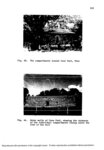
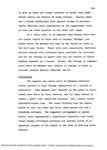
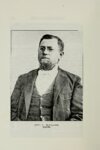
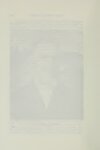
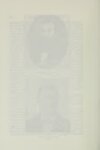
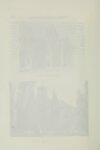
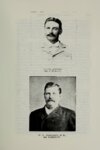
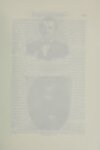
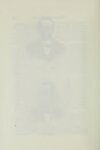
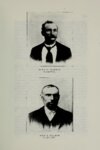
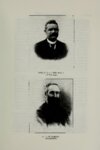
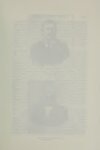
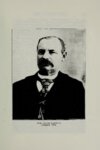
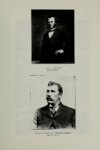
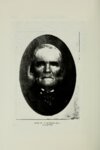
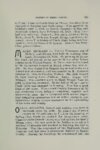
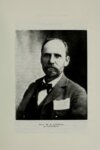
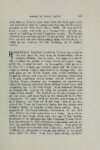
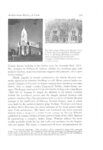
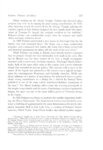
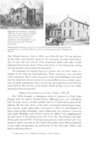
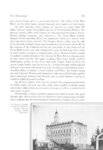
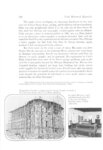
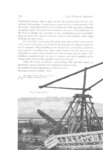
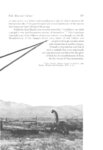
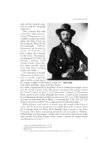
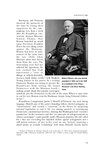
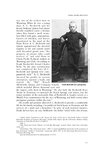
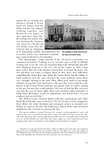
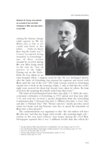
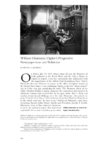
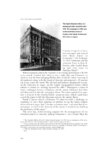
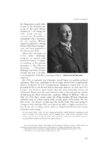
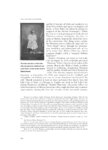
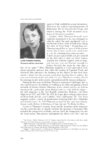
Show Folsom: Pioneer Architect 245 assistant church architect within a few months of his arrival, and he was soon entrusted with the design and supervision of important projects. His first work for the church was the preparation of plans for the Seventies Hall of Science, a building to be used for instructional meetings. While the plans were completed and bricks were being manufactured for the building by June 1861, records do not reveal what became of the project.10 Shortly after beginning his work on the Seventies Hall, however, Folsom was assigned to make plans for his first major building, the Salt Lake Theatre. This project was carried out under the personal direction and patronage of William Harrison Folsom Brigham Young. Constructed on the corner of State and First South streets on a lot owned by the Mormon leader, it was largely financed by the windfall profits Young had made in his purchases of surplus property sold by the United States Army as it returned east to enter the Civil War. 11 The theatre was William Folsom's first opportunity to demonstrate his skill in the Mormon community. When completed, the structure was eighty by one hundred forty-four feet at the foundation and stood ninety feet high, making it the largest building in the city. It was built with local materials, even the huge roof trusses being constructed with locally produced nails and wooden pegs. In its architectural design, the theatre reflected the knowledge which Folsom had gained during his work in the Midwest. While most of the structures in the city had been built in a simplified Georgian or Federal style reminiscent of Nauvoo, the theatre was a correct and handsomely proportioned example of the newer Greek Revival style. O n the exterior, the building was rectangular in shape, 10 11 49. "The Seventies Hall of Science," Deseret News, June 26, 1861, p. 132. Myrtle E. Henderson, A History of the Theatre in Salt Lake City (Evanston, 111., 1934^ |