| OCR Text |
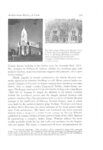
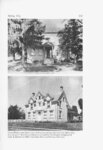
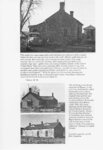
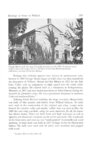
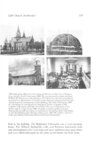
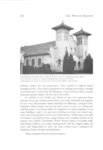
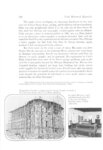
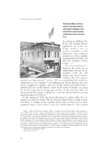
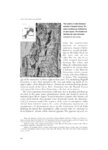
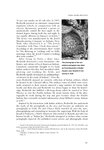
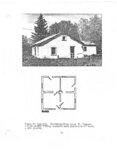
Show 314 Utah Historical Quarterly the dizzying current of high styles. This river of styles with its variant stylistic tributaries would carry church architecture on a meandering course that would see the church embrace parts of nearly every style ever introduced to the United States. Gothic Revival Influence. For reasons unknown, American Gothic Revival forms were avoided by the church during the period of that style's greatest popularity, 1840-60. Then, after it had become outmoded, it was finally adapted as a style suitable for LDS architecture. Although Gothic windows were employed in the earliest LDS church building, the Kirtland Temple, this style did not become a dominant factor in church architecture until about 1870 when the St. George Temple, followed in the same decade by the Manti and Logan temples, employed what has been called a castellated variety of the Gothic style. In Mormondom, this was a specialized style found only in temple architecture. Not until about 1880 did the Gothic Revival take hold in meetinghouse architecture. In this year the Salt Lake Fifteenth, Thirteenth, and Eighteenth wards and the Ogden Second and Third wards built or were in the process of designing meetinghouses featuring elements that were typically Gothic Revival: buttressed walls, central tower with steeple, and Gothic window and door bays of the pointed style. Only the most humble of these structures, the Salt Lake Third Ward meetinghouse remains to this day. It may have taken the Saints the three decades from 1840 to 1870 to develop the technology required to build Gothic Revival buildings. Or perhaps there was a concerted effort to avoid this style because of its association with Roman Catholic and Protestant church buildings. Most likely the technology was lacking. It is no coincidence that Gothic Revivalism in LDS architecture sprang up almost immediately after the coming of the railroad to the territory in 1869. Quicker access to population centers in the East meant great exposure to the fine church buildings there as well as better access to Gothic windows and sashes and other materials that could be more easily imported than locally manufactured. The Gothic Revival forms were not easily cast aside once they were finally accepted. From 1870 until about 1936 a thread of Gothicism, however thin in some years, ran through the design products of LDS architects. While categorizations are difficult to make due to exceptions and overlapping, some general divisions in the long spectrum of LDS Gothicism can be made. If unorthodox nomenclature will be accepted for descriptive purposes, the following periods seem apparent: |