| OCR Text |
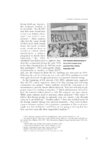
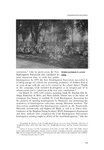
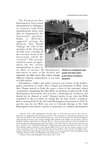
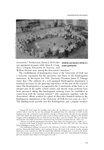
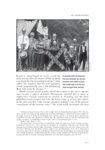
Show GETTYSBURG REUNION J. K. Weaver, the surgeon general of the Pennsylvania National Guard, issued a set of health rules for attendees. He admonished the veterans to get enough sleep, eat the food provided by the Army, avoid intoxicating drinks, take an extra pair of shoes, and take it easy during the week. “Don’t try to meet all of the old comrades at once. . . . In short, remember none of us is as young as we were fifty years ago.”37 In spite of that good advice, many veterans spent their time “tramping over the battlefield all day . . . as if it were a picnic. Some of them started out as early as 4 o’clock in the morning and kept it up until sundown.”38 Reunion organizers, concerned that lingering feelings of Confederate patriotism or resentment might mar the celebration, took every precaution to “prevent the stirring up of animosities.” Veterans of both armies were asked “not to take their tattered battle flags to the celebration . . . the only flag which will be admitted to the camp will be the Stars and Stripes.”39 Their efforts were quite successful. During the reunion Confederate resolutions were unanimously adopted thanking the State of Pennsylvania for initiating the reunion and, in what must have seemed a little surreal to Union onlookers, for taking “pr ide in the fact that to the ar mies of the Confederacy is due the credit of demonstrating the utter impossibility of the dismemberment of the Union.”40 A reporter from the New York Times observed that Gettysburg’s five thousand residents “saw men in blue and men in gray with arms over each other’s shoulders or hand in hand, fighting their battles over again, but this time in a far different spirit.”41 To feed the veterans, the government organized 1,600 cooks and dishwashers. Each of the four days, 130 bakers baked 185,000 pounds of bread in fourteen field ovens. Meal menus were created “with due regard for the age of the men.”42 The hungry veterans consumed 180,000 pounds of potatoes and tomatoes; 200,000 pounds of meat; 36,000 pounds of sugar; 37 “Veteran Vanguard Now in Gettysburg,” New York Times, June 29, 1913. “Old Soldiers Defy Gettysburg Heat,” New York Times, July 2, 1913. 39 “Big Camp Bars War Flags,” New York Times, June 25, 1913. 40 “Pickett’s Charge Fifty Years After,” New York Times, July 4, 1913. 41 “Veteran Vanguard,” June 29, 1913. 42 “Hills of Gettysburg,” June 23, 1913. 38 275 |