| OCR Text |
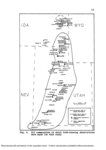
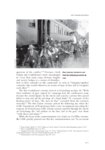
Show FALL 2013 UHQ pp 304-385_UHQ Stories/pp.4-68 9/16/13 1:25 PM Page 373 MUrDEr AND MAPPING wished to ensure that their expenditures were meaningful and somewhat permanent. What had appeared as a necessity for Fort Thornburg had quickly become unnecessary. A good summer test for a Blue Mountain post would be worth the effort in the long haul. On April 7, 1886, the military issued the order sending units to southeastern Utah, charging both the departments of the Platte and the Missouri to provide detachments of soldiers.10 The men and officers coming from Fort Douglas faced many challenges. On June 2, 1886, the men of D Company, Sixth Infantry, completed their 220-mile ride on the D&RG from Fort Douglas in Salt Lake City to Thompson Springs, Utah. Their mission was twofold: maintain peace among contentious factions of Utes, Navajos, cowboys, and settlers and map a little-known section of countr y. To do so, they came well equipped—perhaps too much so—since their first official act after reassembling wagons and loading them was to leave grain, tents, ammunition, and hospital supplies behind with the stationmaster and “boarding mistress” at Thompson Springs. This was the first of a number of subsequent caches made before they reached their destination on the southeast side of Blue Mountain, eighty miles away.11 The first day’s march of nineteen miles, an average distance for soldiers, brought the men to Court House Rock, where they enjoyed a large spring of water, plentiful grazing for the animals, and abundant clumps of sagebrush for fuel. After a good night’s rest, the cavalcade started on the road again, this time covering only twelve miles before the real work began. Once they neared Moab, a wheel on the escort wagon broke, they encountered a creek swollen to five feet deep, and they saw that the widebased wagons would have a difficult time maneuvering the rough, curving road beyond. After wasting a day to see if the creek’s waters would subside, the command decided to transport the supplies across a half load at a time, float the empty wagons, and then move beyond to the ferry that traversed the wider Colorado River. The roiling waters of the Colorado River ran high from melting snow in the Rockies that time of year. At 6:00 a.m. on June 6, the soldiers began crossing the fast-moving river just north of Moab. By 8:15 a.m. a third trip began with Captain D. H. Murdock, the company commander, and six other men working the ferry attached to a cable that spanned the river. Frightened mules aboard the vessel shuffled about, shifted their weight, and rocked the boat and its pulley system. Murdock, at the bow, attempted to muscle the main rope in order to prevent the ferry from becoming swamped; then, without warning, the rope snapped, sending him into the 10 William T. Sherman to Commanders of Department of the Platte and of the Missouri, April 7, 1886, Letters Received—AGO. 11 C. G. Morton to Adjutant General, Department of the Platte, June 25, 1886, Letters Received— AGO. 373 |