| OCR Text |
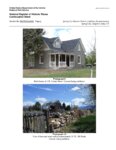
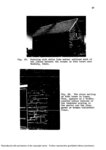
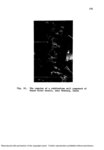
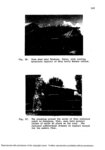
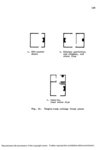
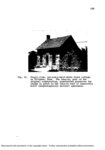
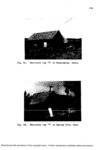
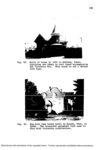
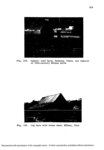
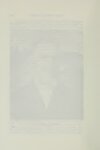
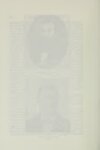
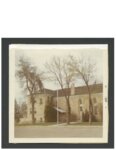
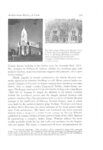
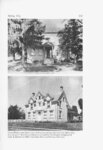
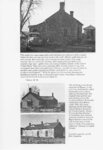
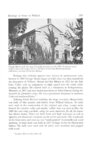
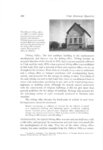
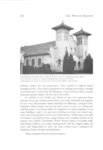
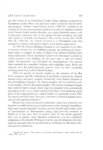
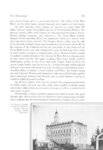
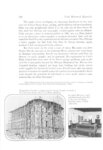
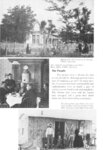
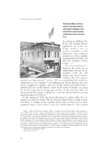
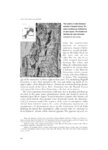
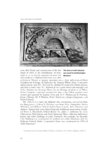
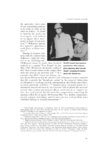
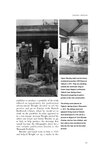
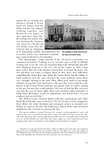
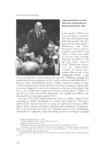
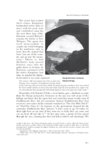
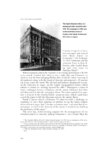
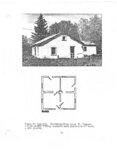
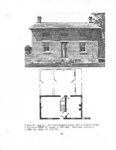
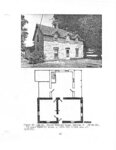
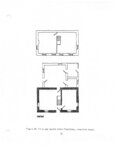
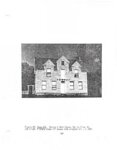
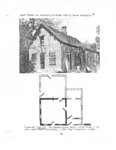
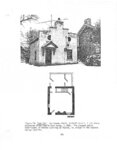
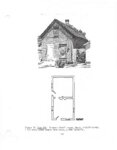
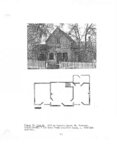
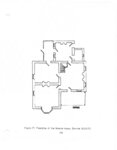
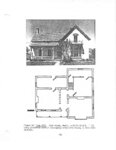
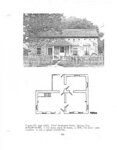
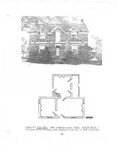
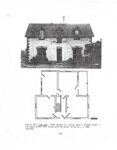
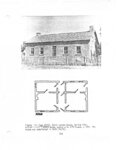
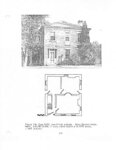
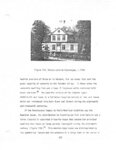
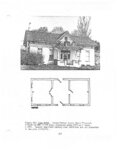
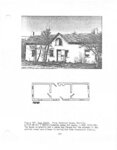
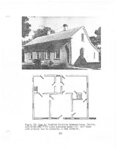
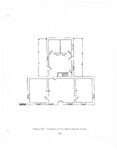
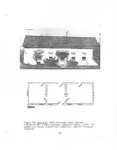
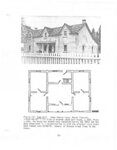
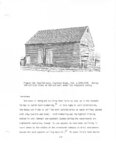
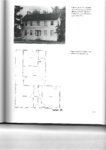
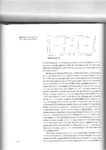
Show 142 Utah Historical Quarterly immigrants can be seen in the absence of Scandinavian architectural symbols. T h e same can be said of folk housing in the area. 2 " Although the region is rich in architectural styles of the folk, there is little obvious Scandinavian influence. An imposing stone house just south of Fairview (fig. 18) is a central-hall house, generally called an I or a Nauvoo house. 20 T h e type was an outgrowth of Georgian architectural influences that profoundly affected American folk architecture. However, like the barns of the area, the I house is an English type. A stone L house 27 in Manti, besides representing the bisymmetry of Scottish-English and American folk architecture (fig. 19), displays an architectural oddity often seen in U t a h : the second-story door that seems to lead nowhere. Notice here, however, that there are vestiges of a small balcony that once protruded over the ground-level door. Austin Fife has explained this trait (tongue-in-cheek) as a place for witches to land, 28 since the doors do not lead anyw r here obvious. However, I believe the upper-level door served some utilitarian purpose. 29 At any rate, the secondlevel door is not a Scandinavian oddity. An impressive bisymmetrical house in Manti (fig. 20), which is apparently comprised of two identical modular units, is called a polygamy house—if only because of the two front doors. 30 Such bisymmetry is common statewide, as is the supposed architecture of polygamy. 2 " See footnote 7, however, where I discuss Carter's work. 20 For a discussion of the I or Nauvoo house in U t a h see Richard C Poulsen, "Stone Buildings of Beaver City," Utah Historical Quarterly 43 (1975) :283. See also Glassie's Pattern, pp. 49, 6 5 69. 2 ' The L house is Austin Fife's term for an I house with a perpendicular, gableend addition. See his "Stone Houses of Northern U t a h , " Utah Historical Quarterly 40 (1972) : 11. 23 Ibid., p. 15. 20 For an explanation of some possible uses and alternatives for the door see my "Stone Buildings of Beaver City," p. 283. 30 For a discussion of the architecture of polygamy see Paul Goeldner, "The Fig. 15. Artistic log structure in Indianola. |