| OCR Text |
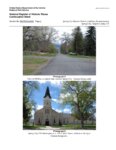
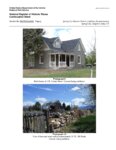
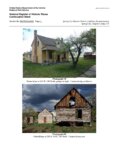
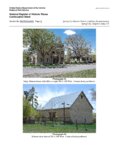
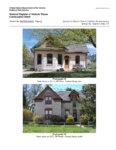
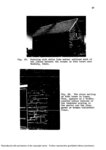
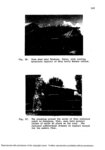
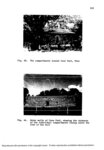
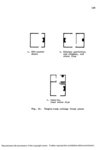
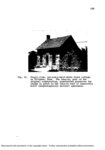
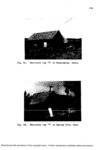
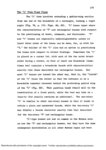
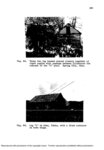
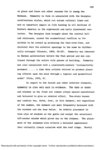
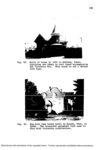
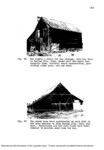
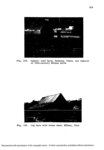
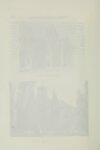
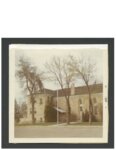
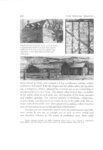
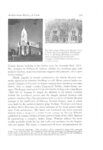
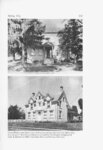
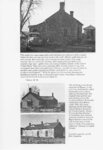
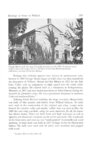
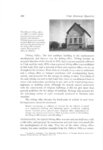
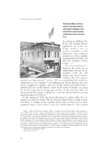
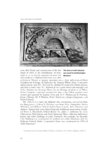
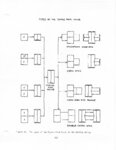
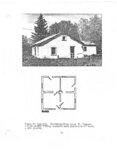
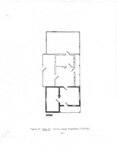
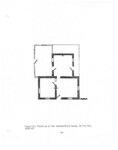
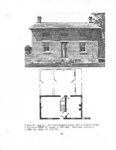
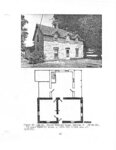
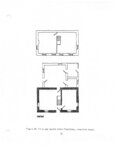
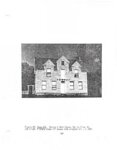
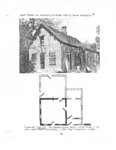
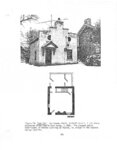
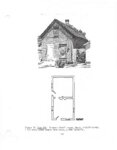
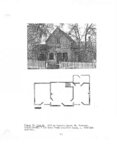
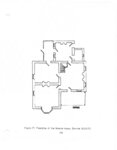
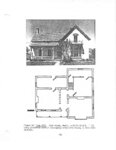
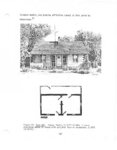
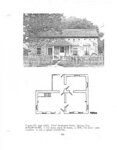
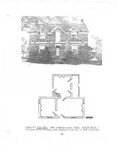
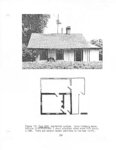
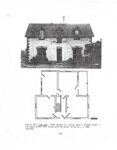
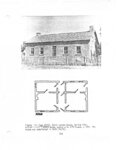
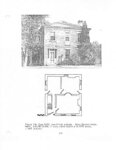
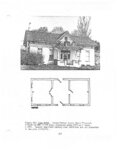
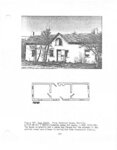
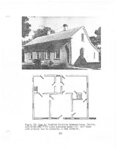
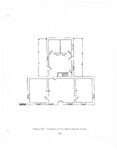
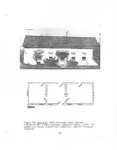
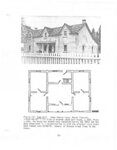
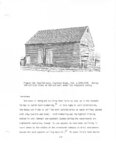
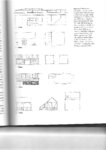
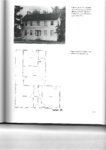
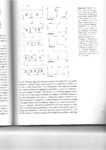
Show Hall-Parlor Houses [XY 1J, Types X,XI,XII,XIII. The most common dwelling type in the Sanpete Valley during the . nineteenth century was the hall-parlor house. This two room house shares the asymmetrical internal arrangment of the rectangular cabin form yet may be distinguished both by its size and compositional flexibility. Hall-parlor houses are between 30 and 34 feet wide and are usually about 18 feet deep. They have the familiar tripartite symmetrical facade, but it may be divided into either three or five bays. Chimneys are often placed at the gable ends, but may also be located off-center internally on the ridge (see figures 52, 53, and 54). Most examples in the valley have original or added rear kitchen wings. The house is encountered in 1, 1 1/2, and 2 storey types and while occurring most regularly as a single pile dwelling, several double pile examples have been recorded (figure 67). Over 300 of these houses continue to stand in the valley and constitute thirty-seven percent of the total housing survey. The hall-parlor house is a two cell British form from the sixteenth and seventeenth centuries. 15 The name is derived from the functions of the two rooms; the larger square room, or hall, was the principal living area of the home and the smaller side room was reserved for ipecial purposes and is often called the "best'' room or parlor. During the American colonial period it was found primarily in the South where it became the main dwelling type in most tidewater regions during the eighteenth century. 16 The hall-parlor house's popularity declined duri~g the nineteenth century in the wake of the ascendency of the central passageway form, but continued as part of the folk carpenter's 148 |