| OCR Text |
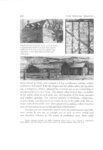
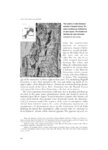
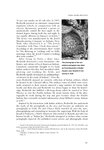
Show FALL 2013 UHQ pp 304-385_UHQ Stories/pp.4-68 9/16/13 1:25 PM Page 385 MUrDEr AND MAPPING KP duty when a friend stopped by and invited him to go to the post trader’s store for a drink. Shortly after they arrived, the proprietor informed them that a corporal was hunting for the pair for shirking their duties. Already in trouble, the two men unwisely decided that a trip to the saloons of Salt Lake City was in order.43 Within twenty-four hours Grim and his associate became deserters. Three and a half months later, the army apprehended Grim in Provo, returned him and locked him in the post guard house, convened court martial proceedings, and sentenced him to two years at Fort Leavenworth.44 His mother had passed away when he was a young boy, so it was up to his father, Phillip Grim, who lived in West Virginia, to write letters requesting leniency for his son.45 The military denied the requests, but released him a year early for good behavior then dishonorably discharged him.46 Grim’s inscription on an alcove wall in a tributary of Grand Gulch reminds all of us of the individual accounts of those who have gone before. The story of lowly Private Grim is just one of thousands of personal narratives of people who have come to canyon country and left little or no trace of their visit, but were still part of its history. Grim’s small inscription was the only thing that saved him from oblivion, and it now reminds us of events over 135 years ago, as soldiers set out to explore and map a land mostly unknown to them. The trials of Private Grim, the deaths of Walcott and McNally, the origin of the name Atene, and the forgotten role of Soldiers Spring are all part of a larger history of a place no longer considered the “land of death.” Indeed, this land has become a mecca for tourists, backpackers, environmentalists, and others who marvel at the canyon country and scenic vistas as they breeze over the terrain in air-conditioned comfort. Gone are the days of difficult access to Navajo Mountain, with a paved road now leading to its base; the nagging problem of locating water in a high country desert; the animosity of different Native American cultures against outsiders taking their land; and cattlemen staking claims on resources to prevent settlement by farmers. Now only the names upon the land hint at what used to be. 43 Grim to the Members of General Court Martial, February 27, 1888, Letters Received—AGO. Court Martial Orders, Headquarters Department of the Platte, Omaha, Nebraska, March 5, 1888, Letters Received—AGO. 45 Philip Grim to the Adjutant General, War Department, February 16, 1888, Letters Received—AGO. 46 Correspondence from Office of Commandant, U.S. Military Prison, Fort Leavenworth, to Adjutant Generals Office, Washington D.C., May 13, 1889, Letters Received—AGO. 44 385 |