| OCR Text |
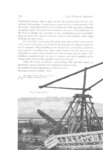
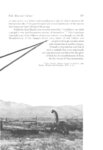
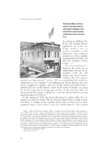
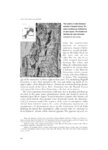
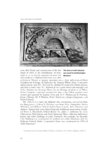
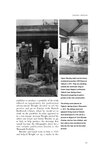
Show 332 Utah Historical Quarterly This Was Cattle Ranching Yesterday and Today. By VIRGINIA PAUL. Superior Publishing Company, 1973. 192 pp. $13.95.) With a brief but adequate text and a splendid collection of photographs, Virginia Paul tells a story of cattle ranching from the time Ewing Young drove the first herd of Spanish cattle north from California in 1836 to present-day cattle auctions, feeding, and futures. Although localized — the book is dedicated to the Northwest cattle industry — the author deals with enough history to satisfy the knowledgeable and appeal to the novice. She writes informatively of cattle breeds, from the longhorns, which according to a present-day proponent were "not God's gift to the cattle industry but d a m n sure were a blessing to Texas and the western cattle industry in the beginning," to the exotic breeds popular today. I n the evolution of cattle breeding it is surprising to find the Hudson's Bay Fur Company introducing the D u r h a m into British Columbia to upgrade the early Spanish cattle. Since the D u r h a m was intended for breeding and milk production, the sale of its progeny to the American settlers was not allowed, b u t humanitarianism finally prevailed and two cows were loaned to each family to help alleviate the hardships of frontier life. Thumbnail sketches accompany excellent portraits of early-day cattlemen. Many names are known to anyone interested in early cattle history: Pierre Wibaux, owner of the W Bar outfit; Conrad Kohrs who opened a butcher shop at Last Chance Gulch in Helena, Montana, and ended u p owning an empire of cattle; the well-connected Englishman Moreton Frewen (he married an aunt of Winston Churchill) was also well financed b u t along with many others was wiped out by the severe winter of 1886. (Mrs. Paul hedges her bets on this date and refers (Seattle: to it simply as "the latter part of the 1880's.") Listed among the drovers are Nelson Story, who recognized the market possibilities created by beef-hungry miners and started a herd of longhorns north from Texas in 1866, Jack Splawn, and Ben Snipes — the names are legion. T h e pictorial gallery assembled in this volume is remarkable. There are scenes of roundups, of cutting cattle — an early L. A. Huffman photograph of cutting out a steer reminds one of a Russell painting — of branding, trailing, swimming, and shipping cattle. There are pictures of cow ponies inside a rope corral and pictures of the remuda on the trail. And always there are the cowboys both known and unknown, posed and unposed. There is quiet dignity in the eyes of Joe Proctor, who was born a slave and bettered his lot by becoming a M o n t a n a cowpuncher, and almost laughable braggadocio in the fiercely posed group picture, circa 1890, of members of a Texas trail herd. Of particular artistic merit is the photograph taken "against the sun with white dust screen in back" by G. V. Barker. It shows the X I T outfit, giant of them all, on its last trail out of Montana. T h e camp a n d chuck wagons are rolling, the cowboys on their ponies are stepping out followed by the horse string, numbering one hundred sixty five thoroughbreds, "the finest bunch on the range." By the time this picture was taken in 1908 the boisterous and colorful days of the cattle drives were over. T h e trails were dusty and bare, barbed wire h a d criss-crossed the West. Trains, a n d at a later date cattle trucks, transported the cattle to market. Although the popularity of the legendary West does not lessen, the Huffman photograph showing the interior of a typical ranch house should discourage any exercise in nostalgia: beans being |