| OCR Text |
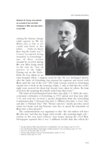
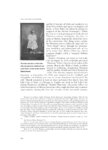
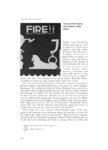
Show FALL 2013 UHQ pp 301-303_UHQ SUMMER 04/pp.194-195 9/16/13 1:26 PM Page 303 ciated with national political figures, and governed Ogden in a manner his (fr iendly) contemporaries would have described as “clean” and “businesslike.” He was a good example of the kind of person who created change and influenced public life around the turn of the century, and his story ties Utah to politics, progressivism, and municipal governance throughout the nation. Near the end of Glasmann’s life, Jeanette Young Easton wrote a gossipy column for the Deseret News entitled “Salt Lakers in Gotham.” Two of our articles deal with the lives of Salt Lakers who excelled in Gotham, a place that epitomized the trendsetting, fast-paced world of twentieth-century America. Isaac Russell—a grandson of Parley P. Pratt—established himself as a New York City journalist, writing for the New York Times and other publications. As with Glasmann, Russell was part of that nebulous movement historians call progressivism, and he was connected to a number of signal people and events of his era: the Wright brothers, Theodore Roosevelt, Guglielmo Marconi, and, as we learn, the sinking of the Titanic. Wallace Thurman was several years younger than Isaac Russell and from a very different segment of Utah society than that “Mormon muckraker.” Born and educated in Salt Lake City, Thurman went on to a fantastic career in New York City and moved in the central circles of the Harlem Renaissance. He championed experimental literary efforts such as the short-lived Fire!! and wrote novels, plays, and screenplays that examined, among other things, intra-racial tensions. Our third article substantiates Thurman’s connections to Utah and explores the life and contributions of this brilliant writer. Considered together, these accounts of Thurman, Russell, and Glasmann contribute to an understanding of how twentieth-century America evolved. The final article completes a story of “murder and mapping” that began in the summer issue. The action takes place in southeastern Utah in the 1880s, when a rash of violent incidents impelled the military to consider the creation of a military cantonment near Monticello. That violence occurred, in part, because of agricultural and livestock operations in the region and a dwindling Native land base—developments that could easily be considered indicators of modernity. 303 |