| OCR Text |
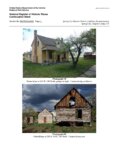
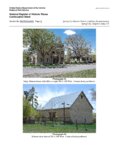
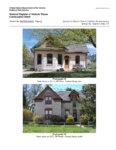
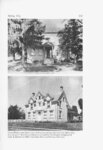
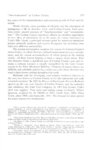
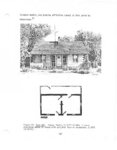
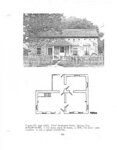
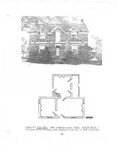
Show Chapter VII Conclusion: A Mormon Architectural Tradition At the outset, several objectives were established for this study. The first involved testing the long-standing hypothesis of folk housing uniformity in the Mormon-settled Far West. The material record, as we have seen, speaks clearly on this subject. The architectural evidence compiled here from the Sanpete Valley reveals not only the persistence of immigrant building forms and techniques during the pioneer period, but also points to the general openness of the local designing competence itself. Within the parameters of a rigidly symmetrical folk architectural aesthetic, Sanpete Valley house carpenters enjoyed a wide range of performance options. There was no reduction in housing possibilities here to suggest the emergence of a distinctive regional or "Mormon" style of building. In fact, quite the opposite was true; the design tradition was actually expanded to accommodate the creation of essentially new housing forms as well as the perpetuation of older ones. This pattern of architectural diversity is significant for it suggests that a fundamental rethinking of the way historians have viewed life in the nineteenth century Mormon town is in order. The Latter-day Saint nucleated community has been seen as a type of cultural "melting pot," the place where a heterogeneous collection of immigrant converts was forged into a unified body of like-minded Saints. Folk housing has consistently been employed to substantiate this Saint-making process by serving as a barometer of behavior comformity. 291 For example, Leon |