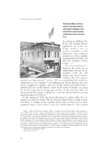
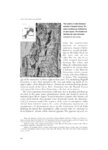
| OCR Text |
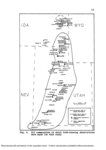
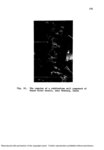
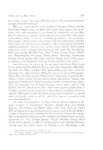
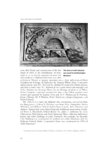
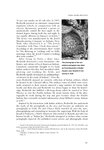
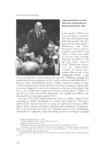
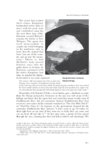
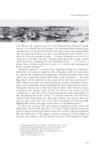
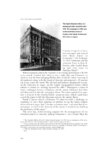
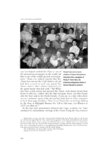
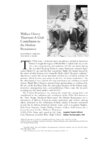
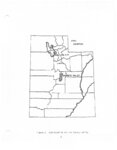
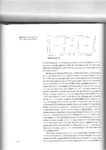
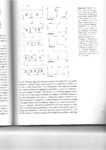
Show CARTOGRAPHY BY MIKE HEAGIN WALCOTT-MCNALLY INCIDENT —the Pinhook Draw fight of 1881 and the The Four Corners region, battle at Soldier Crossing in 1884—led to including Navajo Mountain, embarrassing situations for white belligerents; Fort Defiance, and Fort Lewis. on both occasions, Utes fought white forces to a standstill. In 1881, a group of cowboys suffered the loss of ten men, while in 1884, the U.S. military fled the scene because of poor logistical support.5 In these and several other conflicts, no one knew the canyon systems, watering holes, mountainous topography, escape routes, ambush sites, and location of allies as well as did the Native Americans. Indeed, in both 1881 and 1884, the Indians established traps for advancing forces, held the high ground, and understood what local resources could support them while they defeated their opponents. It was not surprising, then, that Riordan was reluctant to get involved in the tangle of canyons and ambush sites that sheltered hostile elements. Navajo Mountain, a landmark on the northern edge of the reservation, had served as a sanctuary for Navajos ever since the United States military began rounding them up in the 1850s and 1860s to incarcerate them at Fort Sumner in New Mexico. To those fleeing from the cavalry and its Ute Frontier, 1860–1900: Expansion through Adversity (Logan: Utah State University Press, 2001); J. Lee Correll, “Navajo Frontiers in Utah and Troublous Times in Monument Valley,” Utah Historical Quarterly 39 (Spring 1971): 145–61; and Albert R. Lyman, Indians and Outlaws: Settling of the San Juan Frontier (Salt Lake City: Bookcraft, 1962, 1980). 5 Rusty Salmon and Robert S. McPherson, “Cowboys, Indians, and Conflict: The Pinhook Draw–Little Castle Valley Fight, 1881,” Utah Historical Quarterly 69 (Winter 2001): 4–28; McPherson and Winston B. Hurst, “The Fight at Soldier Crossing 1884: Military Considerations in Canyon Country,” Utah Historical Quarterly 70 (Summer 2002): 258–81. 251 |