| OCR Text |
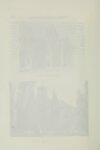
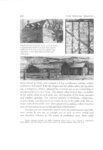
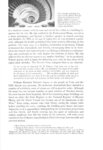
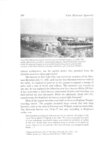
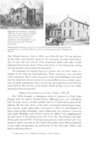
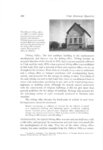
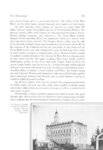
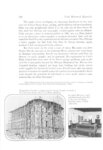
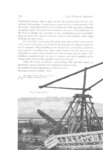
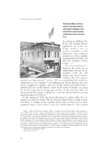
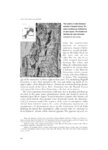
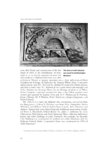
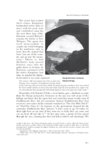
Show 248 Utah Historical Quarterly Folsom also figured prominently in the construction of the Salt Lake Tabernacle. Since the early 1850s, many of the meetings of the church had been conducted in the Old Tabernacle, a simple adobe structure with a gable roof and a semicircular apse which had been designed by Truman O. Angell. In 1863 Brigham Young asked Folsom to prepare plans for a larger tabernacle to be built to the west of the temple. In April 1863 Folsom and two of his sons stepped off the location of the new structure, and by June the building had been designed to the point where a detailed description could be published. According to this description, the building would seat nine thousand people. Designed as a long structure with semicircular ends, the tabernacle would have no interior columns and the roof would be supported by lattice arches. This initial plan called for the arches to support a pointed roof with three octagon domes or ventilators on the ridge.16 After the preparation of the original design, the shape of the roof was altered to follow the curve of the arched supports. The sandstone piers that were to support the tabernacle were built first and allowed to settle for a year. Folsom's work on the building seems to have been limited to the preparation of general plans. Henry Grow, a bridge builder who had purchased the right to use the patented lattice truss before coming west was superintendent of construction on this project, and the exterior cornice and the interior finish of the building were the work of Truman Angell. Only a few months after the commencement of the new tabernacle, preparations were made for the erection of a new city hall on First South just east of State Street. Folson submitted plans for the new building in January 1864. Although similar in form to the existing Council House and courthouse that had been designed earlier by Angell, the city hall demonstrated again Folsom's superior sense of proportion and his familiarity with more elaborate styles of architectural ornament. While the side and rear walls of the structure were built of rather plain sandstone crowned with a simple bracketed cornice and a solid balustrade, the principal facade was more elaborate. The large windows on the upper and lower stories were flanked by pilasters, the lower ones deeply grooved in classical fashion. The central bay of the fagade was larger than the others, containing the main entrance surmounted with a balcony supported on brackets. The areas below the upper windows and below the main cornice were decorated with a distinctive pattern of circles and crosses. The cornice and balustrade were also enriched with elaborate brackets and 16 " T h e New Tabernacle," Deseret News, June 3, 1863, p. 387. |