| OCR Text |
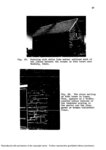
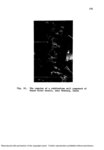
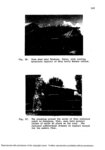
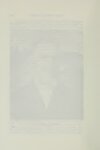
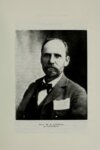
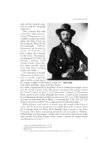
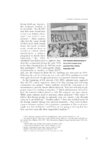
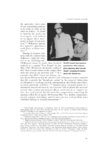
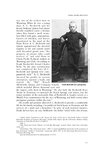
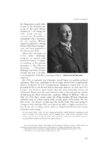
Show UTAH HISTORICAL QUARTERLY he truly came to love—write about what he was interested in. Frank Beckwith’s enthusiasm for the newspaper was clear in his general attitude and the effort he put into it. According to Charles Kelly, Beckwith always went about his work amiably. He never “got temperamental, never got angry, and in the toughest situations [he] could always think of a joke.”23 Beckwith also always dressed up to go to work, donning a white long-sleeved shirt with garters, a bow tie, and sometimes a green visor.24 He enlisted the assistance of eleven correspondents, who sent him news from the surrounding communities to help keep the people of Delta informed of what was happening with their friends and relatives, and he himself gathered the local news and took the majority of the photographs needed for the paper. Beckwith, camera in hand, became a familiar face at all the local events, and he traveled the county in his old truck, visiting various towns and sites. In later years, he also took up aerial photography.25 Like many locally based newspapers of the time, the Chronicle documented the comings and goings of the county, along with births, marriages, deaths, news from churches, clubs, and lodges, and local and national politics. It featured articles about local individuals and events, as well as emergencies, accidents, fires, and major events, including the Great Depression, the two World Wars, the building of and local news from the World War II Topaz Internment Camp, and the discussion regarding the decision to build Highway 6 connecting Delta with Ely, Nevada. It included cartoons drawn by Beckwith, and was printed in special editions at Christmas time and in commemoration of important events (such as a memor ial edition highlighting local servicemen who died in World War I).26 The business end of the paper changed hands a couple of times while under Beckwith’s ownership. On October 1, 1925, Beckwith leased the printing work to Henry T. Howes, an Englishman and an experienced newspaperman who moved to Delta from Roosevelt. Beckwith enjoyed having more time to write without worrying about the business side of managing a weekly local newspaper, but the arrangement only lasted until September of 1927, when, according to Athena Beckwith Cook, Howes became overdue on his payments.27 At this time, Beckwith’s son, Frank. S. Beckwith, was persuaded to return from Los Angeles, where he had been working in the real estate business after studying for two years at the University of California at Berkeley. Frank S. Beckwith did some writing for the newspaper, but his primary responsibility was to be the business manager and printer. He and his father were very different in their 23 Charles Kelly, “Reminiscences of Frank A. Beckwith,” Charles Kelly Papers, Special Collections, Marriott Library, University of Utah, MS 100, Box 12, Folder 3. 24 Jane Beckwith, e-mail message to author, March 7, 2012. 25 Over 2,000 of Beckwith’s photographs have been digitized and are available online at the Delta City Library, Beckwith Photograph Collection. URL content.lib.utah.edu/cdm4/az_details.php?id=45 26 Hunsaker, “ A History of the Millard County Chronicle,” 92 27 Ibid., 45. 174 |