| OCR Text |
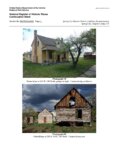
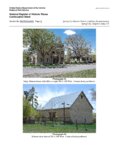
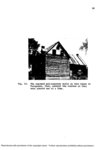
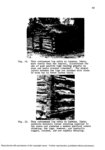
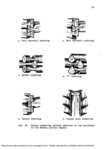
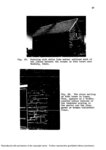
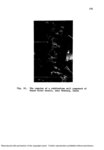
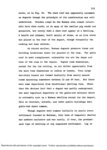
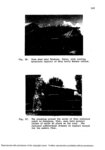
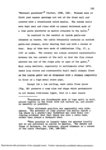
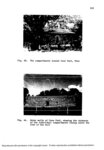
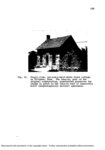
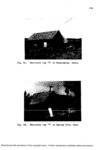
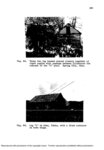
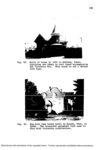
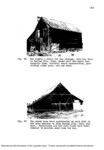
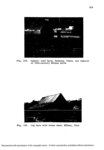
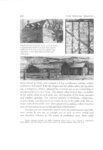
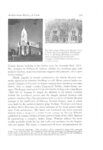
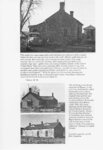
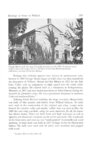
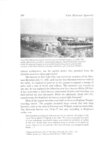
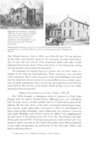
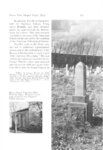
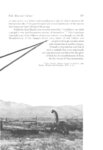
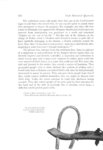
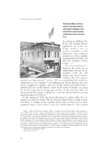
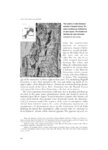
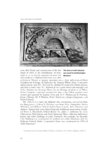
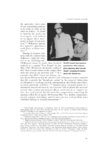
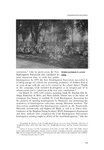
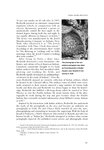
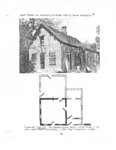
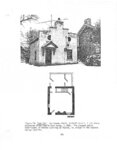
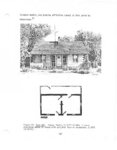
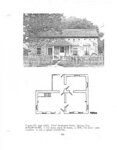
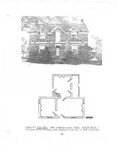
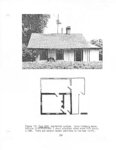
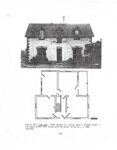
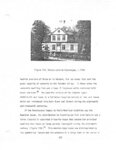
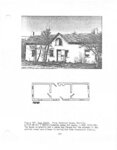
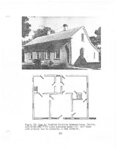
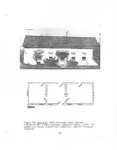
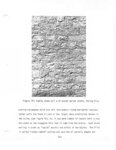
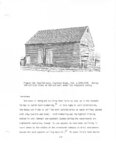
Show 140 Utah Historical Quarterly are partly hewn, the corner notching is V, and the ends of the logs are protruding (fig. 12). According to Fred Kniffen and Henry Glassie, "Prehistoric horizontal log construction was universally characterized by round logs notched on the top or on both sides, a foot or more from the end of the log." 18 Most scholars agree that this type of notching, generally called saddle notching, is the most primitive. 19 Two log buildings, the Nathaniel Beach cabin in Manti (fig. 13) and a small log house in the Gunnison city park (fig. 14), display distinct English building tradition with the use of the external chimney. 20 The wide interstices between the logs on the Beach cabin are typically American, 21 but the closely hewn and fitted logs in the Gunnison cabin may mirror Scandinavian influence.22 A fine example of artistic log construction, found in Indianola (fig. 15), with its full dovetail corner notching and carefully hewn logs, may also represent Scandinavian log architectural influence, although such assertions must remain tentative. 1S Ibid., p. 58. See, for example, Weslager, Log Cabin, p. 165. 20 Henry Glassie, "The Types of the Southern Mountain Cabin," found in Jan Harold Brunvand's The Study of American Folklore (New York: W. W. Norton, 1968), pp. 347-57. 21 See Warren Roberts, "Folk Architecture," which is chap. 13 of Folklore and Folklife, ed. Richard M. Dorson (Chicago: University of Chicago Press. 1972), p. 290. "' Glassie, "Southern Mountain Cabin," p. 345. 10 Fig. 11. Spring City log cabin. Fig. 12. Detail of notchins on fie. 11. |