| OCR Text |
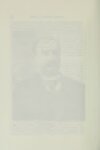
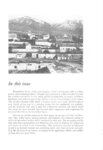
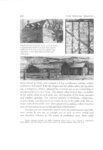
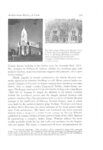
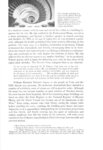
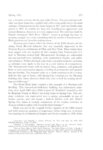
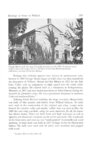
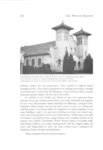
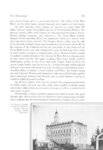
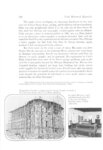
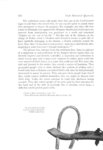
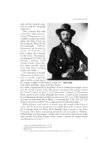
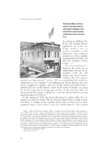
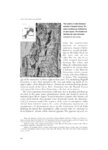
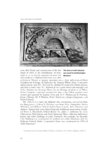
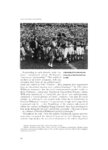
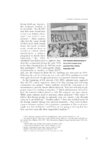
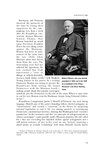
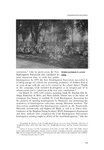
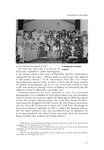
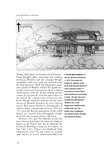
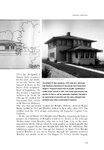
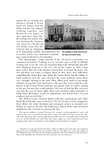
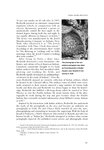
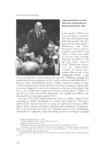
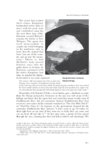
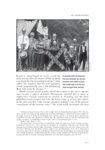
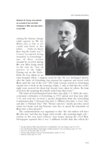
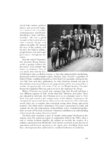
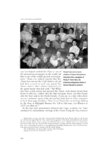
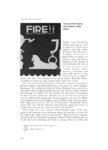
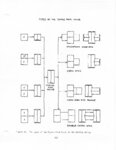
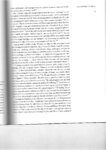
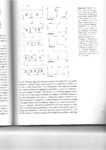
Show speak.40 When the topic of “The Neg ro and Job Opportunities in America” later came up, the Speakers Committee was told bluntly that McKay opposed “discussion for the present on this topic,” however noncontroversial.41 BYU’s next major brush with race relations came with the murder of nationally prominent civil rights leader Martin Luther King Jr. on April 4, 1968. King’s assassination occurred at the beginning of spring break, so public comment at BYU was mostly, but not entirely, absent. One student, Barbara J. McDaniel, complained about the lack of coverage, urging her peers to consider their own complicity in civil rights inequalities and In this illustration from the 1970 expressing her “dream” that “freedom will Banyan yearbook, a BYU Cougar ring from ‘Y’ mountain.” When the Daily faces a UTEP Miner. Universe student editor explained the inadequate coverage of King’s death by referring to “dead news,” McDaniel countered: “[a] great man’s death and a tribute to his life is never ‘dead news’ as we testify to every Sunday.” In a note appended to McDaniel’s letter, the Universe said that comparing King’s death to that of Jesus was “in poor taste.” A second student added that King was not to be admired since his advocacy of civil disobedience contradicted LDS teachings on “obeying, honoring, and sustaining the law.”42 Nationally, King’s death solidified black unrest into a tidal wave of resistance, protest, and demonstration. On April 13, 1968, seven black track and field athletes from the University of Texas at El Paso (UTEP) boycotted a match against BYU, the first such race-based protest against BYU. Two 40 Ibid., December 5, 1967. Ibid., March 20, 1968. 42 Ardis Smith, “BYU and Martin Luther King, Jr. in 1968,” December 22, 2009, accessed November 27, 2011, www.juvenileinstructor.org/byu-and-martin-luther-king-jr-in-1968. 41 211 BYU BANYAN YEARBOOK, 1970 ATHLETIC PROTESTS |