| OCR Text |
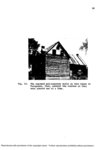
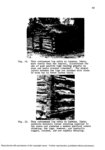
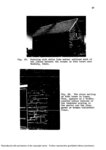
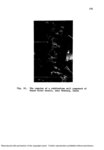
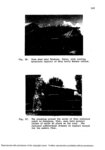
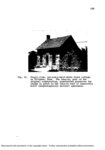
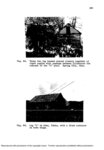
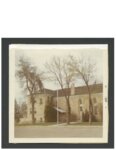
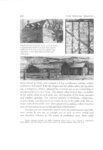
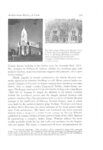
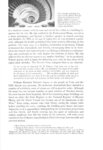
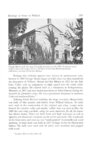
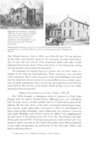
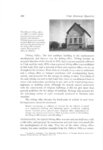
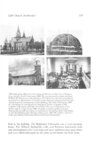
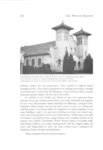
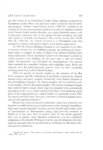
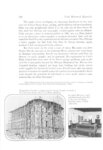
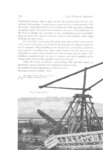
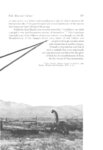
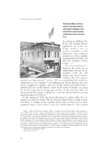
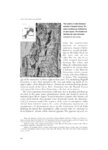
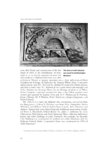
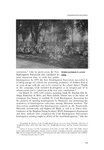
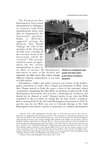
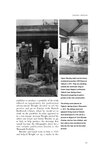
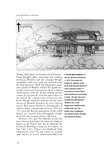
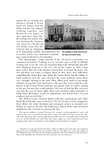
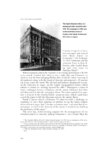
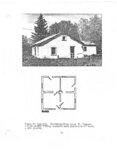
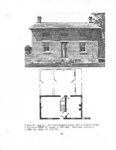
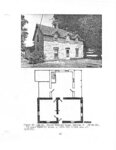
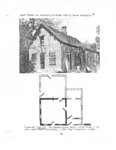
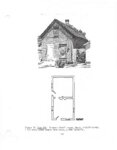
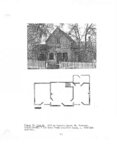
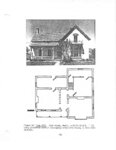
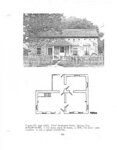
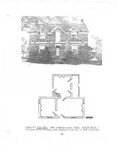
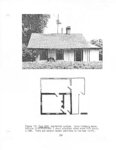
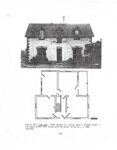
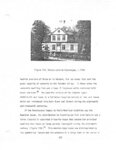
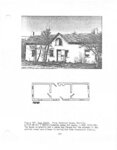
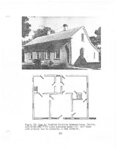
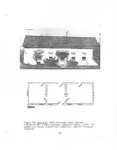
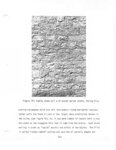
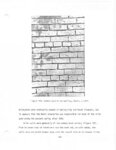
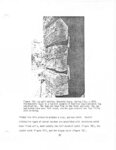
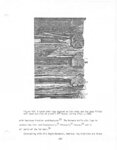
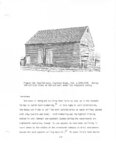
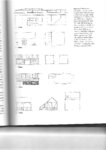
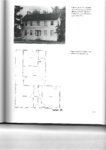
Show Folk Material Culture 143 Another folk architectural oddity seen in other parts of Utah, such as Beaver and Willard, is the rubble facade on cither the front, back, or side of a structure. There is no obvious preference of direction or placement of the fagade in the rubble wall construction, and with other U t a h folk architectural anomalies this building trait likely came from the British Isles. Henry Glassie explains the rubble facade as a persistent folk architectural trait in parts of Scotland and Ireland. A "typical" Manti stone house (fig. 21) shows the rubble facade. 31 Architecture of Equal Comforts: Polygamists in U t a h , " Historic Preservation 24 ( J a n u a r y March 1972). Goeldner claims that there was nothing architecturally unique about polygamous housing (p. 14). However, folk belief has it that each of the doors in these bisymmetrical structures was for a different wife, so they would not have to meet each other going and coming. ::1 Notice that the stone in the front fagade has been carefully cut and coursed, while the stone in the south gable facade is of random size and placement—or rubble. According to William A. Wilson, Henry Glassie explained in a lecture at Indiana University in 1973 that the rubble facade was a persistent folk architectural trait in parts of Scotland and Ireland. Fig. 16. Bam in Fairview. Fig. 17. Rectangular barn of log and stone. |