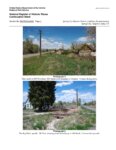
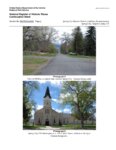
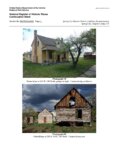
| OCR Text |
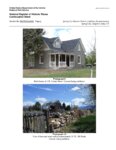
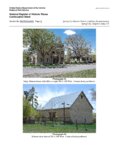
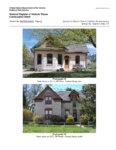
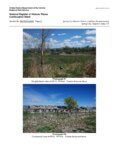
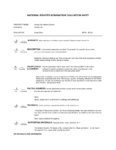
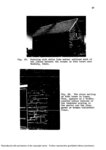
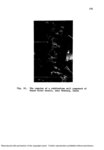
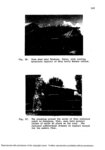
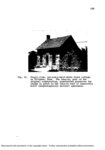
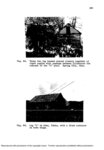
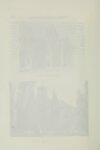
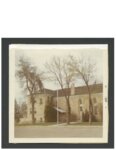
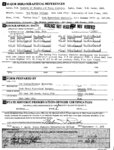
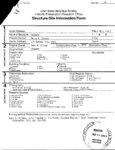
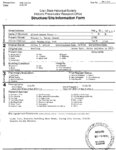
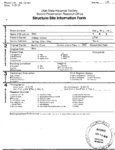
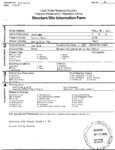
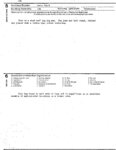
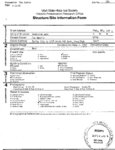
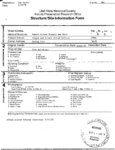
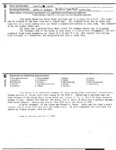
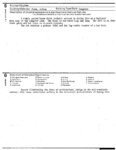
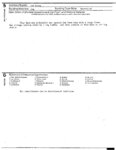
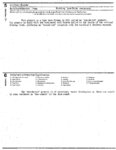
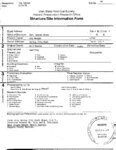
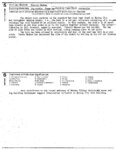
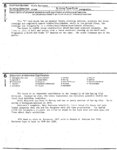
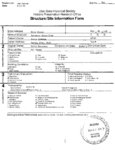
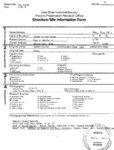
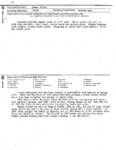
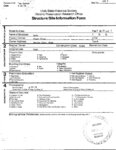
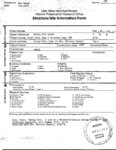
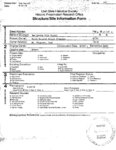
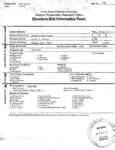
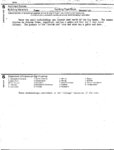
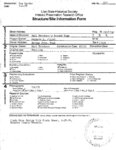
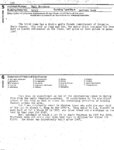
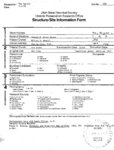
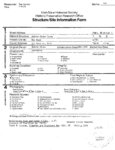
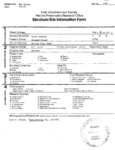
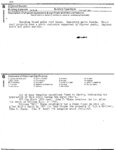
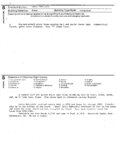
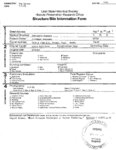
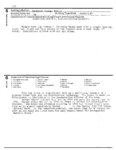
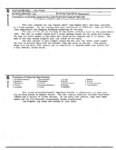
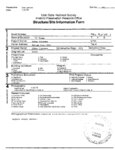
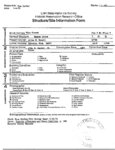
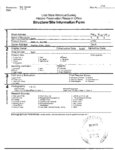
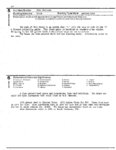
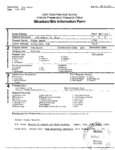
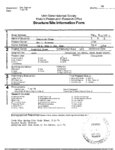
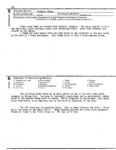
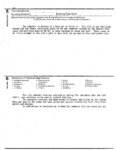
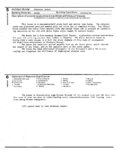
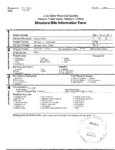
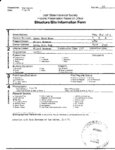
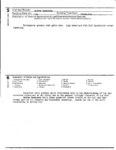
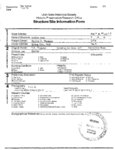
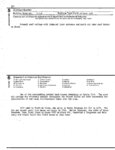
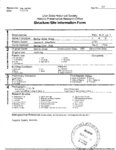
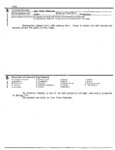
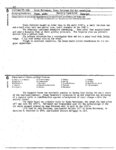
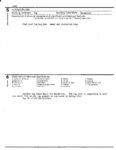
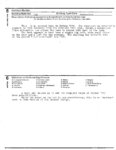
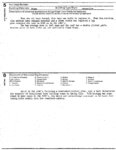
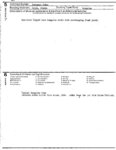
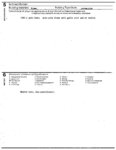
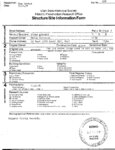
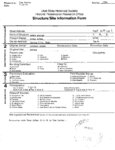
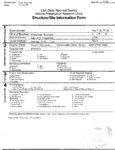
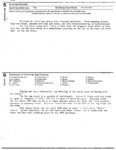
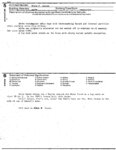
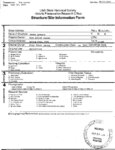
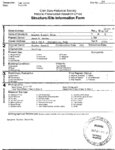
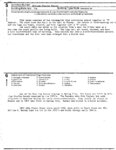
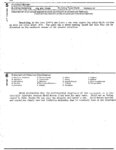
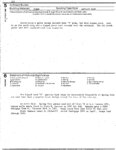
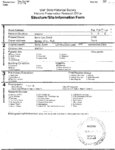
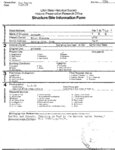
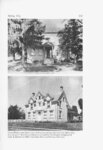
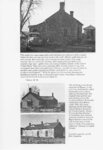
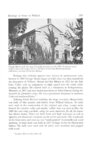
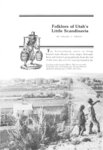
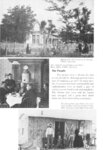
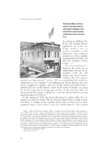
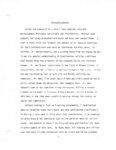
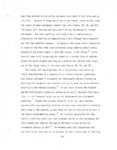
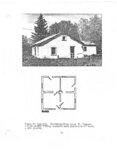
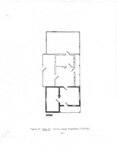
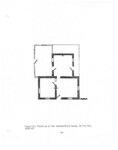
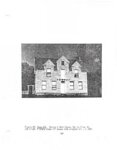
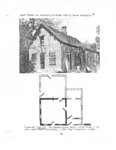
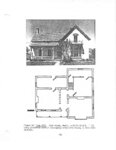
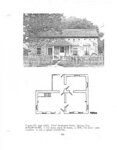
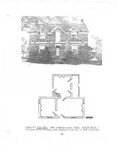
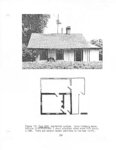
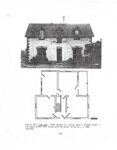
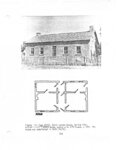
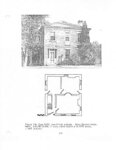
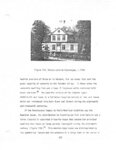
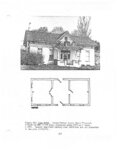
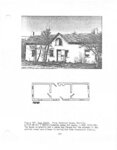
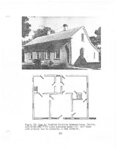
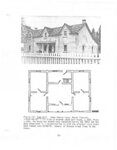
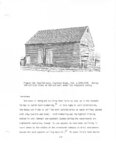
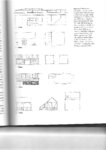
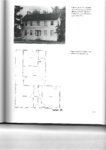
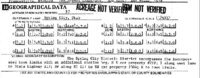
Show Architect/Builder: Andrew Olsen QC u, ——————————————————————————————————————•———————————————————————————————————•-———————————————•—————————————————••—————:——————————————————————————————————————————————————————————————————————————— j2- Description of physical appearance & significant architectural features: [jj Building Materials: adobe/stuccoed Building Type/Style: vernacular (Include additions, alterations, ancillary structures, and landscaping if applicable) o < Adobe hall and parlor type house, one-and-a-half story. Adobe plastered then scored and marked to resemble masonry. Fine millwork on spindled por'ches and multi-colored shingling in gables. Older folk house showing pattern book decorative influences. Statement of Historical Significance: > O cJJ I D D Or D Q Aboriginal Americans Agriculture Architecture The Arts Commerce D D D D D Communication Conservation Education Exploration/Settlement Industry D D D D a Military Mining Minority Groups Political Recreation D D D D Religion Science Socio-Humanitarian Transportation One of the fine old adobe houses remining in Spring City. The elaborate millwork on the porch, patterned shingle work in the gable, and simulated stone plaster work make this an intriguing house. Ole Petersen built this house but soon moved and sold to Hans Nielsen in 1882. Nielsen was a farmer and a stockholder in the Young Men's Coop Store. He was born in Denmark in 1850 and came to Utah in 1868, settling in Spring City in 1871. Nielsen built the outbuildings found on the lot. Joe Schofield was the next occupant in 1906 he purchased the lot for five-hundred dollars. Schofield took the town's mail to the Denver, Rio Grande Western depot located about one mile west of town. He also ran a livery stable. Hugh Davis, a long time resident plasterer, lives in the house now. 1870 papent deed to James Mortensen. |