| OCR Text |
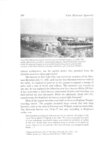
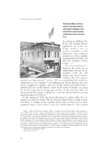
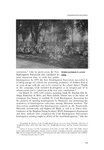
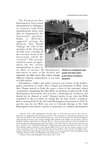
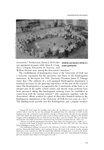
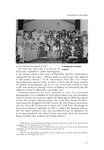
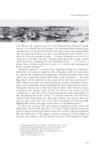
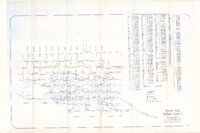
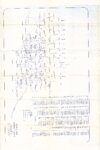
Show GETTYSBURG REUNION At noon on June 26, the day before their scheduled departure, approximately seventy Civil War veterans gathered in the U.S. marshal’s office in Salt Lake City (where Smyth worked) to complete their travel plans. Their planning was “thrown into consternation by the announcement that the $7500 appropriated by the legislature for the transportation of men [to Gettysburg] was not forthcoming, and no way had been found to get the money.” After “three hours of gloom,” Governor Spry informed the veteran committee that through the efforts of “several prominent business men” the promised $7,500 “had been raised by a note given to the Zion’s Savings bank” to furnish the money. Required travel funds were now available. The following day the Salt Lake Herald reported that the battle over funding almost “approached the proportions of the battle of Gettysburg, and many a veteran became weary of the struggle before yesterday’s triumphant ending.”28 Each former soldier received $97.00 for the trip, of which $79.50 was deducted for the cost of his railway fare. The balance paid “for their sleeper berths [on the train] and general expenses.” The Salt Lake Tribune reported that “most of them will arrange to double up” in sleeping berths to reduce the cost.29 Prior to departing Salt Lake City, each veteran was required to prove his status by showing (1) a certificate from a GAR post or United Confederate Veterans camp, (2) pension or discharge papers, or (3) Confederate parole papers or other sufficient evidence of service.30 As many of the eligible veterans were elderly, a local doctor provided free physical examinations to any veteran who doubted his “physical ability to make the trip.”31 The town of Gettysburg had fewer than five thousand residents and did not attempt to provide lodging for all of the reunion attendees. Veterans were housed on a temporary campground southwest of the city, about two hundred yards from the “high water mark monument on the battlefield” (which marks the farthest spot that Confederate soldiers reached during Pickett’s Charge). The camp covered almost three hundred acres, and veterans were housed together by state. A “big tent,” which seated between ten to fifteen thousand veterans, erected next to the camp was the site for speeches and performances during the reunion. Over five thousand brown Sibley tents lined sixty-two streets; every street was named, and each tent was numbered. Five hundred electric streetlights were installed to “make the camp as brilliant as the Great White Way.” The Army dug four large wells to supply the camp with 600,000 gallons of water daily. Running water was piped to every street intersection, and 28 “Fund to Send Utah Veterans to Field of Battle Raised,” Salt Lake Herald-Republican, June 27, 1913; “Anxious Vigil Rewarded,” June 27, 1913. The Report of the Pennsylvania Commission (page 39) reports that $7,370 of the $7,500 was actually expended. 29 “Anxious Vigil Rewarded,” June 27, 1913. 30 “Gettysburg is Mecca for 65 Utah Veterans,” Salt Lake Herald-Republican, June 19, 1913. 31 “Talk Transportation,” Salt Lake Herald-Republican, June 20, 1913. 273 |