| OCR Text |
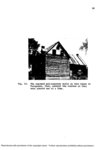
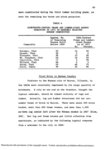
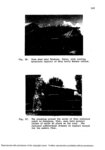
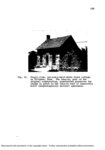
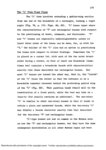
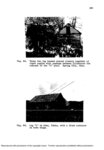
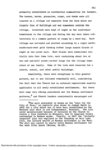
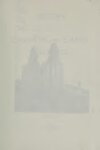
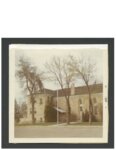
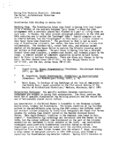
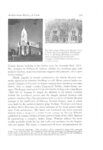
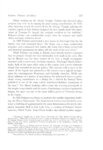
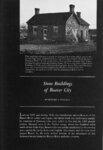
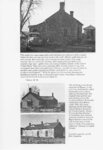
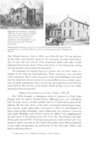
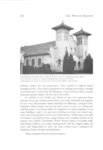
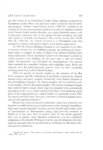
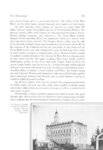
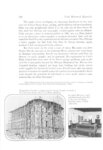
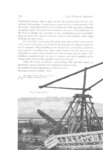
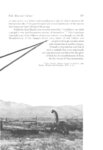
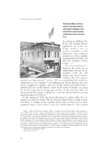
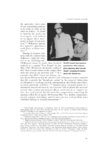
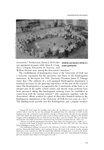
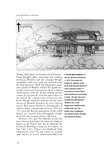
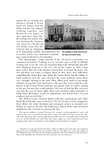
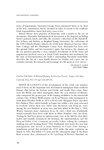
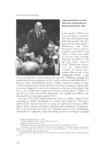
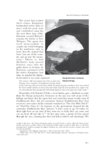
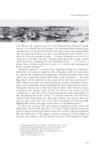
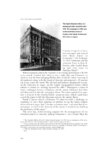
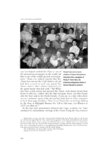
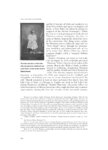
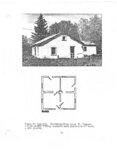
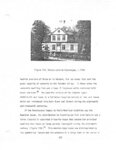
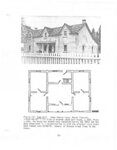
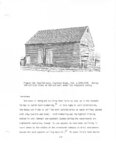
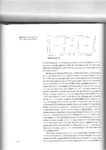
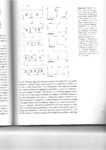
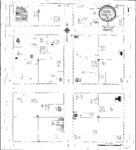
Show DIOCESAN ARCHIVES UTAH HISTORICAL QUARTERLY celebrate Mass at Fort Douglas and baptize a dozen children; the enthusiasm of the tiny near the center of this view was Catholic community so impressed Kelly that the only building on the Salt Lake he sought, and was granted, permission to City lot purchased by Father purchase land in the city. On this land, he Edward Kelly in 1866. proposed to build a church and a school. Returning to Utah in September 1866 from a quick trip to Nevada, Kelly learned to his dismay that the person from whom he had purchased the property did not have clear title to it. Kelly agreed to submit the matter to Brigham Young for arbitration, so the story goes, because he did not want to involve the fledgling Catholic Church in Utah in a potentially messy and protracted lawsuit before it was even fairly launched. Although city records indicate that the matter actually was settled in court, the legend says that the prophet ruled in favor of the priest and even offered five hundred dollars toward construction of the school.5 Further, in an effort to establish The small, one-story building 5 The story of Brigham Young’s arbitration in the property dispute appears in Denis Kiely, “The Story of the Catholic Church in Utah,” (1900), 2, Diocesan Archives, and was published for the first time in Dean W. R. Harris, The Catholic Church in Utah, 1776–1909 (Salt Lake City: Intermountain Catholic Press, 1909), 282. Kiely’s and Harris’s influence as mythmakers was potent: Bernice Mooney, Salt of the Earth: The History of the Catholic Church in Utah, 1776–1987 (Salt Lake City: Catholic Diocese of Salt Lake City, 2nd ed., 1992), 41, Stoffel, “The Hesitant Beginnings,” 56, and Gary Topping, The Story of the Cathedral of the Madeleine (Salt Lake City: Sagebrush Press, 2009), 3, repeat the story, even though Mooney, on p. 43, cites the case files of the court settlement! 232 |