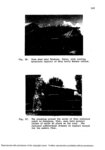
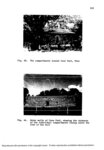
| OCR Text |
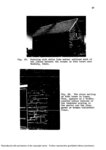
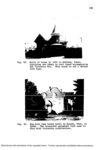
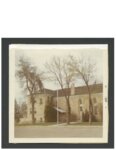
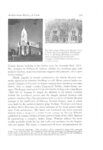
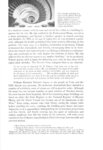
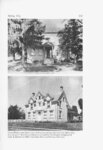
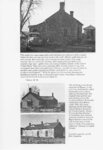
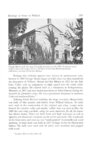
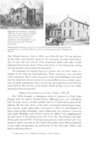
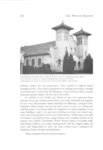
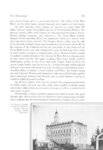
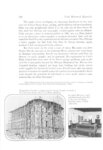
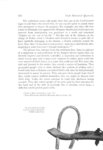
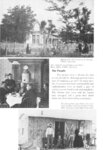
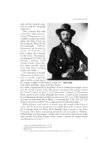
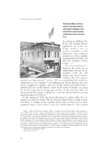
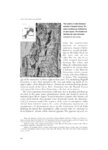
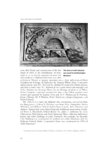
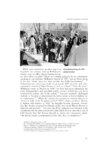
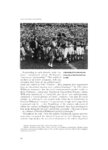
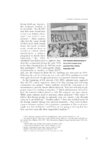
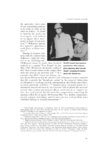
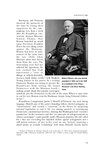
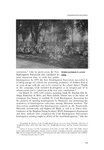
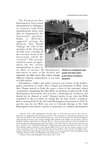
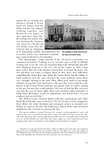
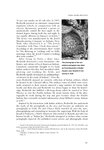
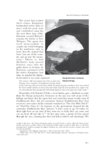
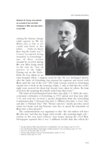
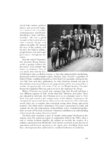
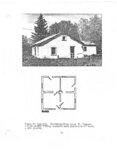
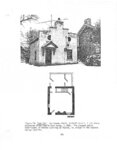
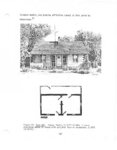
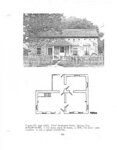
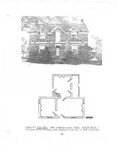
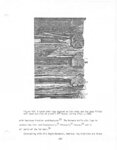
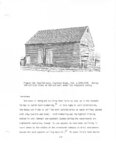
Show 120 Utah Historical Quarterly The major forces developing the American Southwest at that time were the United States Army, mining, and freighting and merchandising. Dixie was only peripherally allied, if at all, with any of these forces. In fact, both her ideology and geography worked against such an alliance. Utah was not a force in national politics in 1860, nor was Dixie looked to as an alternative cotton supplier to northern factories. And, with the end of the Civil War the transcontinental railroad soon made New Orleans a better supplier for Salt Lake City than St. George because, again, southern Utah was bypassed by the railroad. But there came on the scene a man of vision. His name was John Wesley Powell, surveyor of the Colorado River canyons and connoisseur of Mormon watermelons. Powell was fascinated with the arid West, its climate, its native peoples, and its potential. His exploration in Utah's Dixie helped him sense some of the West's unique problems, such as the need for a land policy beyond the 160-acre Homestead Act. He saw that irrigated farming required not large land holdings but rather secure water supplies for intensively farmed acres. Powell sensed also that major projects to harness the turbid waters of western rivers to reclaim the desert were beyond the potential of individuals or even small, cohesive communities like the Dixie Mormons. 50 "a John Wesley Powell, The Exploration of the Colorado River and Its Tributaries, titled Canyons of the Colorado (New York: Dover Publications, 1961). formerly Designed by Truman O. Angell, the St. George Temple was built of stuccoed stone during 1871-77. USHS collections. So-called Mormon couch and hand-made pine bed in the restored Jacob Hamblin home. USHS collections. |