| OCR Text |
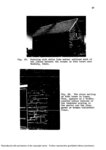
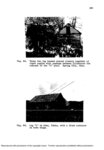
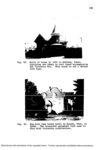
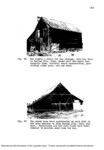
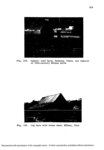
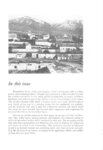
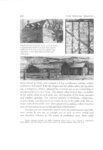
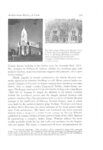
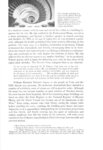
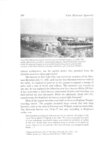
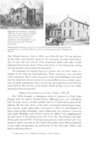
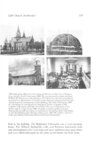
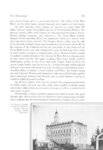
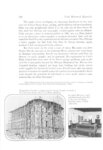
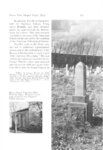
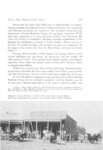
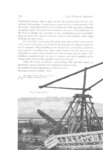
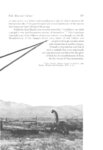
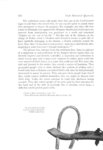
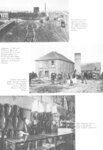
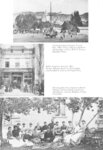
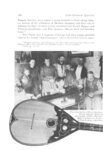
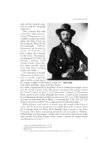
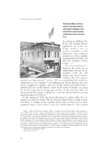
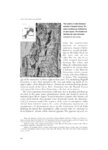
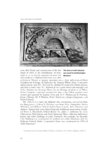
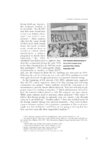
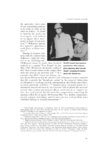
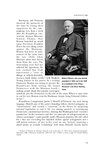
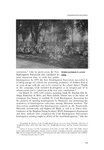
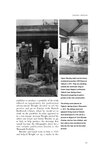
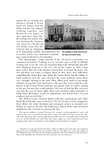
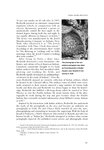
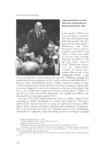
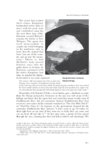
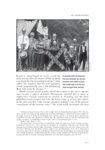
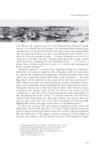
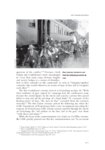
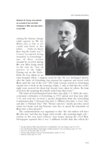
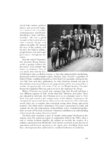
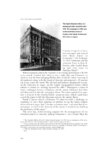
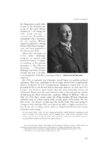
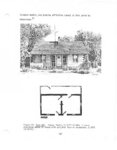
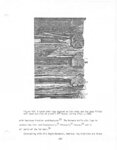
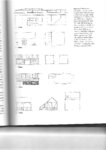
Show Forces That Shaped Utah's Dixie 127 During the last half of the 1860s most of Mormondom was experiencing economic and political stresses. Gentile merchants were competing with Mormon merchants for consumers. This economic integration and dependency alarmed Brigham Young who promptly instituted ZCMI and other cooperatives to keep Mormons trading with Mormons. He w7ent even further to consolidate Mormon economic commitment to the kingdom by establishing a number of United Orders. Dixie's was one of the first. It is said that those who hesitated to join were rebaptized "in the name of the Father, the Son, the Holy Ghost, and into the United Order."57 Of more direct benefit to Dixie Saints was Young's effort to erect several buildings—the courthouse, the tabernacle, and the temple (all still standing in 1979). These projects had a kind of public works impact, especially where tithes and money came in from other Mormon stakes to subsidize local efforts. While there is much more that could be said about Mormon leaders' perspectives and about the forces that settled Utah's Dixie, space permits only this brief picture. From it several valid observations may be drawn. In all of his efforts to support, sustain, and direct the Cotton Mission, Brigham Young did not attempt to cooperate with the Gentiles, nor did he seek active church exploitation of the region's mineral wealth, with 57 Larson, / Was Called to Dixie, pp. 292-93. See also Leonard J. Arrington, Feramorz Y. Fox, and Dean L. May, Building the City of God: Community and Cooperation among the Mormons (Salt Lake City: Deseret Book Co., 1976). Opposite: Type of Indian corn mill used by early settlers in Utah. Below: Horn Saloon and James H. Low der's store at Silver Reef. USHS collections. |