| OCR Text |
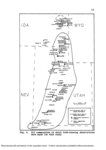
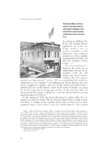
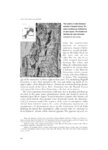
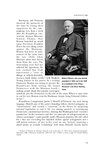
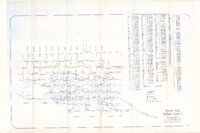
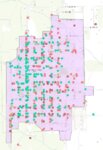
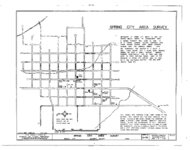
Show at such an early date (the main settiement at Salt Lake City was less than two years old) came as a response to requests by one of the local bands of Utes and their chief, Wakara (Walker), for the Mormons to come and teach them to build houses and plant crops. 6 The motives behind this request remain unclear, but in the summer of 1849 a delegation was sent to Wakara's people from Salt Lake City which, favorably impressed with the settlement opportunities afforded by the valley, returned north supporting the idea of planting a new colony in this location. 7 Therefore, during the fall of 1849, fifty families under the leadership of Issac Morley started out for the Sanpete Valley. north we ~~t Entering from the through Salt Creek Canyon, Morley's party moved southward and made camp at the present site of Manti. Winter soon closed in and after several months of huddling in wagon boxes, tents, and caves, the Saints began the process of setting iri spring crops and laying out a city. The nascent Sanpete settlement was visited during the summer of 1850 by Mormon Church President Brigham Young and one of his counselors, Heber C. Kimball. Under their direction, the townsite was surveyed into 110 blocks containing 24 square rods each and the name Manti was chosen, after one of the notable cities in the Book of Mormon. The Fourth General Epistle of the Church, issued in September 1850, contained the following description of the Sanpete colony and a plan for linking it via a string of smaller settlements to the parent colony at Salt Lake City~ On the last of July Brothers Young and Kimball left home on a visit to Utah and Sanpete [counties] and returned on the 12th of August, having found a place for a good settlement, located a city at Sanpete [Manti] and noticed several intermediate sites worthy the attention of smaller colonies which we anticipate will be settled this fall, making a pleasant and safe communication from this [Salt Lake City] to our most southern habitation. The Sanpete settlement 62 |