| OCR Text |
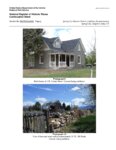
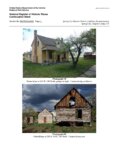
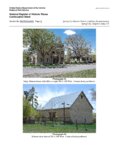
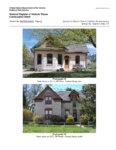
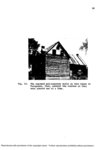
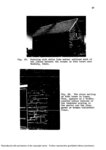
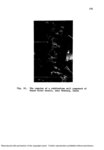
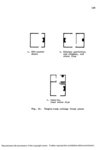
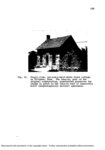
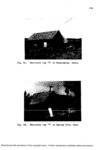
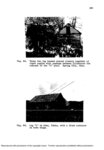
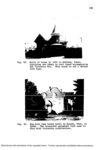
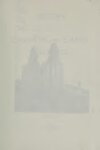
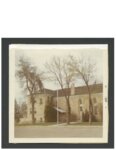
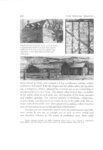
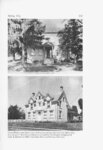
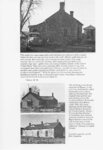
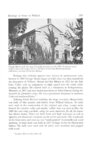
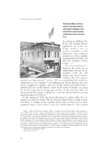
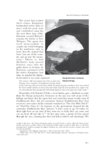
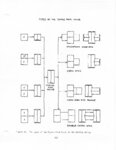
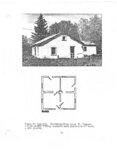
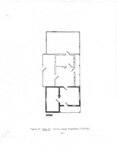
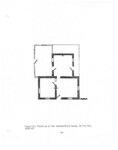
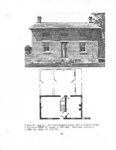
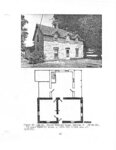
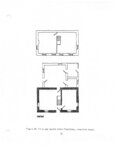
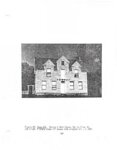
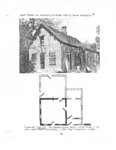
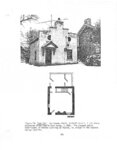
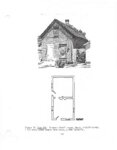
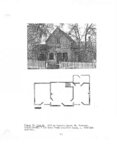
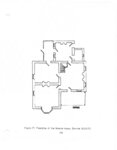
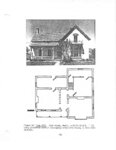
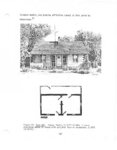
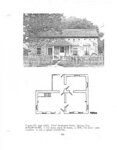
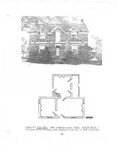
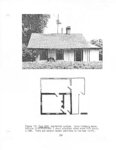
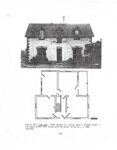
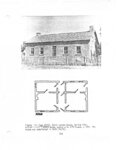
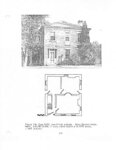
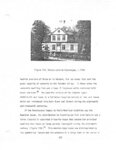
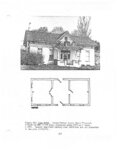
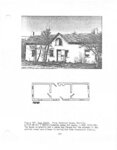
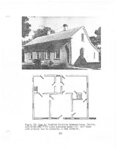
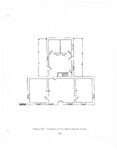
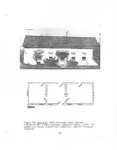
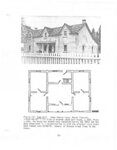
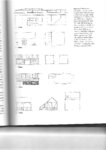
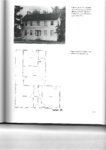
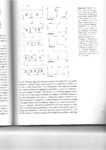
Show Temple Form Houses, Types XIV,XV,XVI,XVII,XVIII. The temple form house finds its origins in the Greek Revival style of American architecture 20 and is characterized by the turning of the geometric block so that its narrow end faces forward toward the street. In the Sanpete Valley, temple form houses were generated out of nearly all of the geometric base concepts and therefo r e there is great variety in the size of these houses. There are five main types of temple form houses: the temple form itself, consisting of the single detached block (figures 68-72); the cruciform, the block with two side wings (figures 73-75), the cross wing, where only one side wing is crossed by the central block (figures 76-81); the cross wing with passageway, which has a entrance-staircase hall inserted into the side wing (figures 82 and 83); and one house, the double cross wing type, wher~ two forward facing blocks are hyp) nated by a connecting wing (Figure 84). 21 During the late eighteenth and early nineteenth centuries, American architects increasingly turned from their Palladian-derived models toward the classical prototypes of ancient Greece itself. The result was the creation of a distinctive Greek Revival architectural style. 22 While the style surfaced in domestic building mainly as a series of decorative elements such as a low pitched roof, entablatures, pilasters, and pedimented cornice returns, a distinctive house type emerged in the ·Northeast which had its "pedimented end toward the street. 1123 This house, called the "temple form" house after is similarity to Greek monumental buildings, is often seen in New England areas fronted by colossal columns. 24 A scaled-down variant of the house is known through New England and was carried wes t ward into the 165 |