| OCR Text |
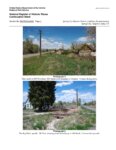
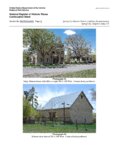
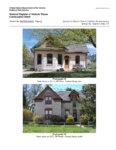
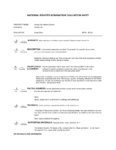
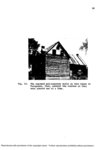
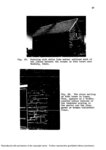
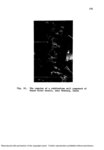
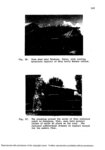
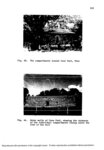
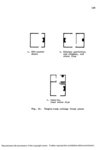
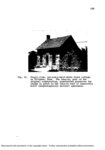
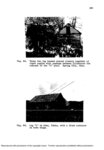
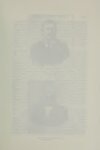
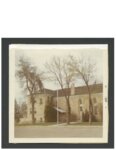
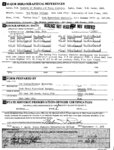
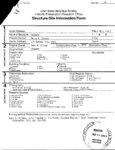
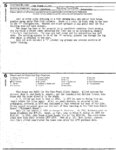
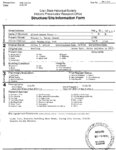
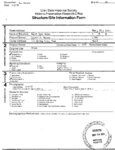
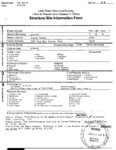
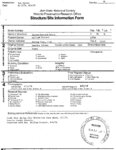
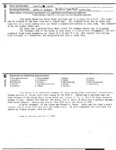
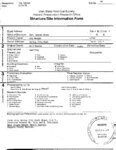
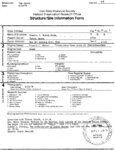
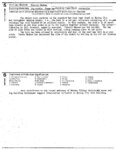
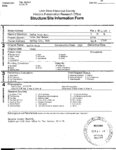
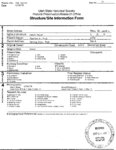
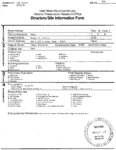
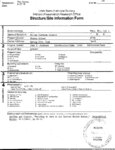
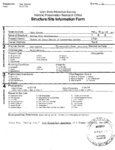
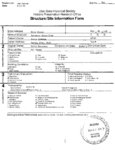
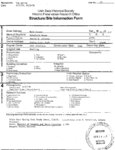
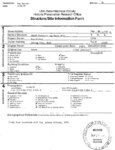
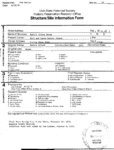
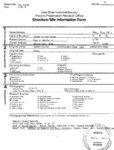
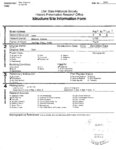
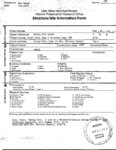
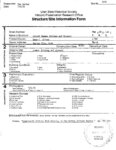
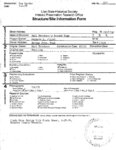
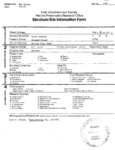
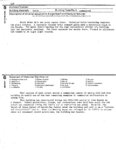
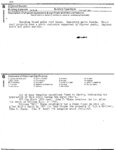
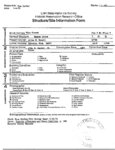
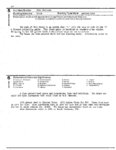
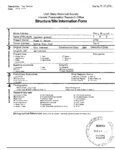
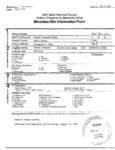
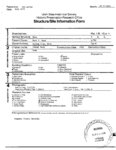
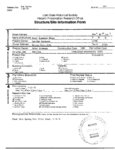
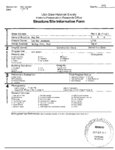
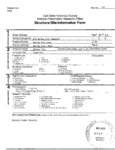
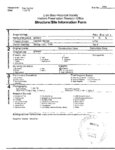
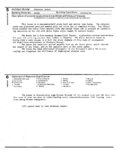
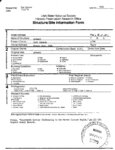
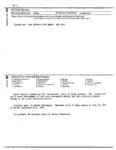
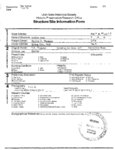
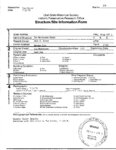
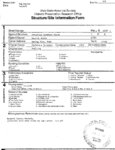
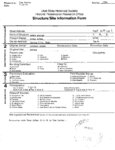
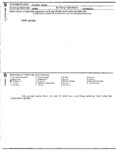
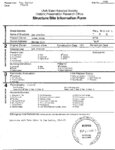
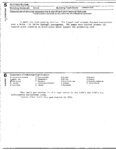
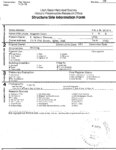
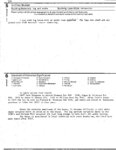
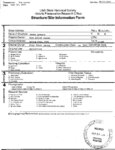
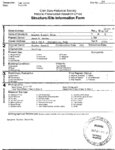
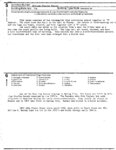
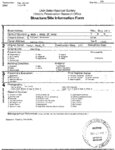
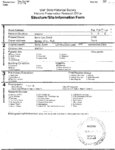
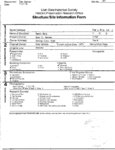
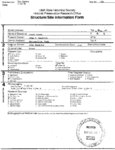
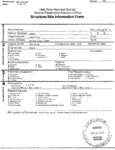
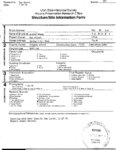
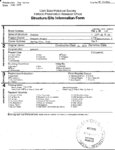
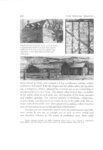
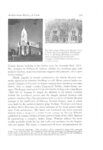
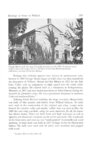
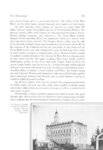
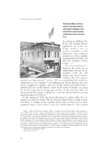
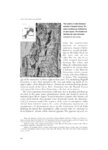
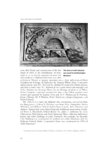
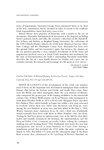
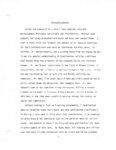
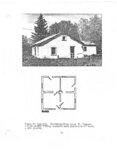
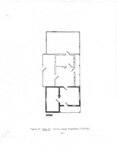
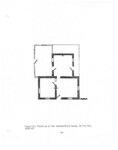
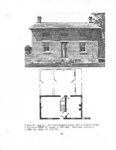
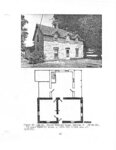
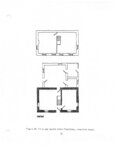
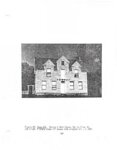
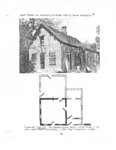
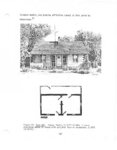
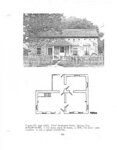
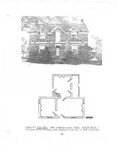
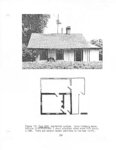
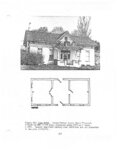
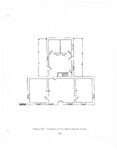
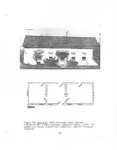
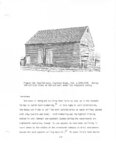
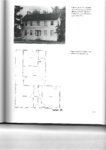
Show ? {•] 163______ Architect/Builder: Building Materials: adobe,w/plaster Building Type/Style: vernacular Description of physical appearance & significant architectural features: (Include additions, alterations, ancillary structures, and landscaping if applicable) This small adobe house is a basic rectangular cabin vernacular house type. The house appears to have originally faced northward though now the orientation is east. The 1950 tax card photo shows that the adobe was originally plastered with a red stucco and marked off to simulate brick construction. The house has an asymmetrical north facade and a rear "T" kitchen wing. Other adobe alterations occur on the south and west. A stove flue is found on the center partition. The house is distinctive in that the roofing system is of a heavy. timbering technique rarely encountered in Sanpete County, Heavily mortised beams support heavy t*Xi-hewed rafters. Such rafters suggest an early building date, which however is not confirmed by the court records . The Robinsons have effectively restored the house to excellent con dition. g > p Statement of Historical Significance: D a D D D Aboriginal Americans Agriculture Architecture The Arts Commerce a D D D a Communication Conservation Education Exploration/Settlement Industry D D Q D D Military Mining Minority Groups Political Recreation D D D D Religion Science Socio-Humanitarian Transportation A small but distinctive example of Spring City vernacular architec ture. The heavy-timber rafter framing construction makes this house historically significant, ; Arriving at a builder and building date for the house has been dif ficult. As mentioned above, construction-technique would seem to indicate that the house might date from the early 1870'sV ' Yet, Niels C.; Petersen who received the mayor patent deed in 1870 holds the lot for ten years and then sells to Mette C. Christophersen in 1881 for thirty dollars, This small evaluation seems to indicate that little in the way of improve ment could have been accomplished by Petersen, The land stays in the Christophersen family until 1919. Hans Peter Christophersen inherited the lot from his father but sells to Margaret SOrenson in 1919. Local tradition holds that Hans Peter f-s father "built the house." If so, the 1881 date would approximate construction, |