| OCR Text |
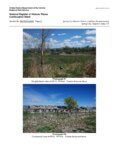
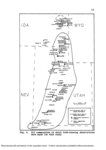
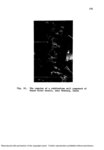
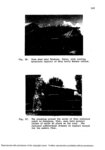
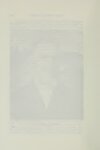
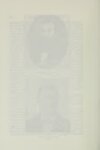
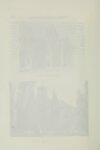
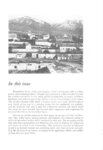
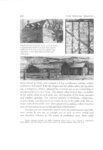
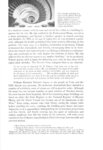
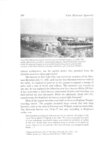
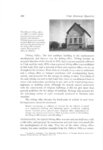
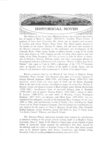
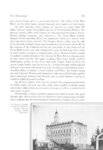
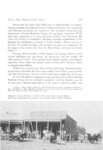
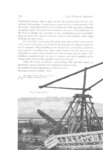
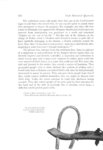
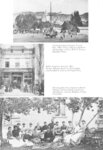
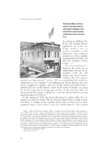
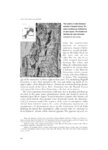
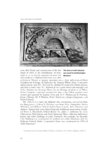
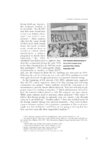
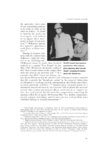
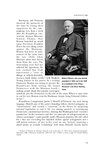
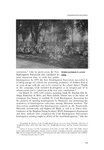
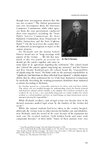
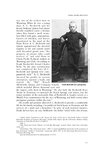
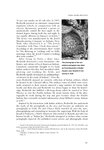
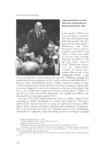
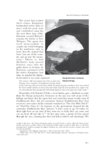
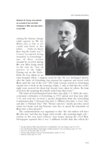
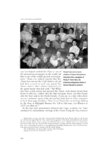
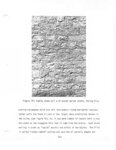
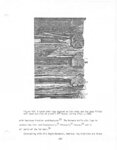
Show The events had reached their climax. Kingsbur y backtracked twelve miles to meet with his pack train and established camp for the next three days, while Bowman secured Walcott’s remains for burial at Fort Wingate. The agent also tr ied unsuccessfully to acquire any stock belonging to the murderers, only to learn that the animals had been “run out of the country and up into the mountains.” Efforts to find McNally’s body proved fruitless, since only the guilty knew its location. As Bowman continued with his duties, Kingsbury had time to ponder his failure. In his mind, it was easily explained: UTAH STATE HISTORICAL SOCIETY WALCOTT-MCNALLY INCIDENT Navajo Mountain, framed by The reason I did not surprise the Utes is plain: the Rainbow Bridge. Navajos were cowards and politicians; being afraid of the Utes they did not want them killed for protecting the murderer; they were afraid the Utes would retaliate on them; they therefore kept the Utes posted every night as to my whereabouts; they persistently lied about distance; they were spies the entire route.29 Meanwhile, Left Handed (T[‘ah), a local Indian, gave a firsthand account from the Navajo perspective. Everyone in the area was well aware of the killings and knew that the agent had sent word that troops would come if Hashkéneinii Biye’ did not surrender. Indeed, Hashkéneinii Biye’ had received a new name: !t’7n7, variously translated as “The One Who Did It” or “Had/Has Done It.” In response to the government demand for his surrender, Hashkéneinii Biye’ insisted, “I don’t want to go. I’d rather be dead right here on my land. If they want me so badly they can come and cut my head off and take it.”30 At this same time, a group of Utes passed through the area, claiming that they had killed soldiers and admitting, “We sought at this time—the Navajo Mountain region was well known to them, while the flatter, better known, and more accessible terrain of the Monument Valley region would not hide them as well from pursuing forces. Further, in August the higher elevations are cooler and the resources of grass, water, and wood more plentiful. 29 Kingsbury to Post Adjutant, September 1, 1884, Letters Received—AGO. 30 Walter Dyk, Son of Old Man Hat: A Navaho Autobiography (Lincoln: University of Nebraska Press, 1938, 1967), 181. 261 |