| OCR Text |
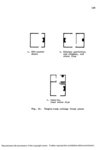
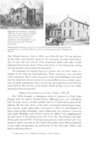
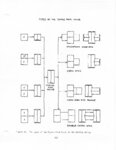
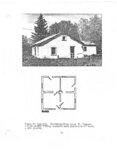
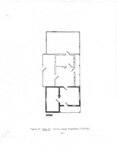
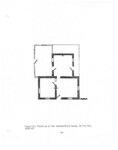
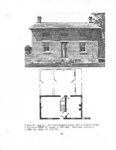
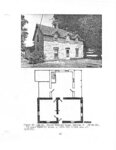
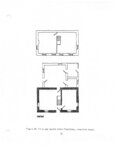
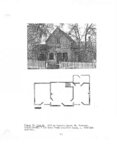
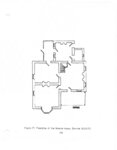
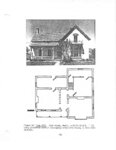
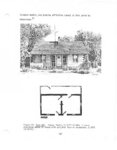
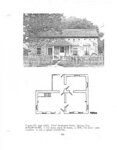
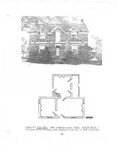
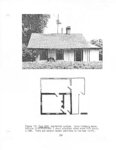
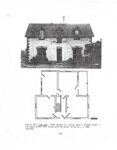
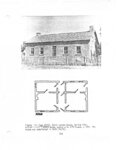
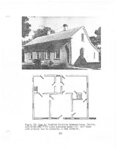
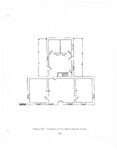
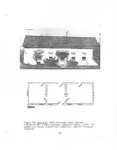
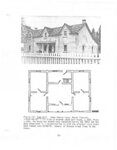
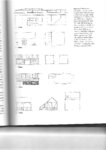
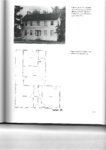
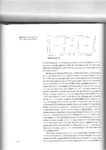
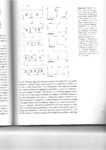
Show to describe the system that created the 16 main types of houses built in the study area. 24 Glassie's studies have opened a new frontier in material culture research 25 and become a point of departure for this description of the folk housing of the Sanpete Valley. The application of Glassie's analytical model is suggested first and foremost by the Sanpete buildings themselves. The systematic recording of the ground plans of the houses in the valley reveals that all are the combinations of a closed set of geometric units, with the square being conspicuously present in all the houses. 26 The figures that emerge from the measurements clearly place the local building competence within a geometrical system. The basic architectural units found here may be described according to their proportions (width and depth): There is the square itself in the ratio, l :l; there is a rectangle larger than the square displaying the ratio, 4:5 (square plus one-quarter square); and then there are three rectangles smaller than the square in the ratios 3:4 (three-quarters square), 2:3 (ti-10-thirds square), and l:.f2 (less than one-half square). Such proportions are perhaps historically predictable for they are deeply embedded in the architectural theories of such Renaissance architects as Andrea Palladio. Borrowing a sense of "symmetry in plan and elevation" from the classical world, sixteenth century Italian architects devised an architectural style around the principles of harmonic proportion. 27 Andrea Palladio, one of the most influential of these architects, preferred the ratios 1:1, 1:./2, 3:4, 2:3, 3:5, and 1:2--ratios that produced what he felt to be the "most beautiful and well proportioned shapes of rooms. 1128 In the Palladian tradition, it was the 94 |