| OCR Text |
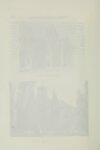
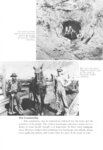
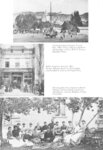
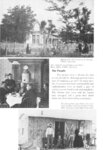
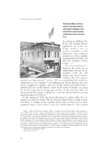
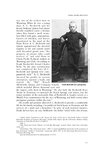
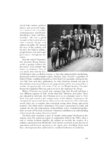
Show WINTER 2013 UHQ pp 91-104_UHQ BReviews/pp.271-296 12/5/12 9:50 AM Page 103 BOOK REVIEWS base, with information from the later ones inserted in brackets or notes. It was a good decision. The finished product reflects Mabel Allred’s own voice and personality well. Her style is conversational. A reader can almost hear her whisper as she confides secrets or her delight at a family gathering. Mabel explains why she chose to leave the LDS church in which she had been raised, live much of her life in hiding from civil authorities, bouncing from house to house, city to city, even back and forth to Mexico. While she talks about living in a house with several wives, living in a house with her children, living in a hovel or a huge mansion, she continually emphasizes Rulon’s attempts to be fair to all of his wives. We learn that Mabel experienced bouts with depression for nearly her entire life. She must ask Rulon’s permission for everything from giving piano lessons to buying something. She delights in her gift for music, whether she is teaching Rulon’s children how to play or serving as the organist for the local LDS Ward, even though the bishop knows her family situation full well. She explains her return to the LDS church near the end of her life. Mabel paints her life as a love story. She knew as soon as she met Rulon that he was the man she would marry, and she never lost the belief that he was the only man for her. When she talks about rival claimants murdering him at his naturopathic physician’s office, she does not dwell on the horror. She emphasizes that he died six weeks after their fortieth wedding anniversary. The book is enhanced by the use of family photographs and ends with a postlude from the Allred children about their parents followed by a few of Rulon Allred’s poems. The single drawback is the lack of an index, although that is mitigated by frequent breaks in the text for what are effectively chapter titles. While this book opens a window into the practices of fundamentalists for any student of Utah or LDS history, it is far more a doorway into the thoughts and feelings of a woman who followed her own conscience but who also made insightful observations of others with both clarity and charity. COLLEEN WHITLEY Salt Lake City 103 |